

Being a cat dad is one of the best jobs in the world, but let’s be honest, sometimes our feline roommates are a total mystery. One minute they’re purring on your lap, and the next, they’re staring at a blank wall like they’ve seen a ghost. If you want to level up your cat care game, you need to learn how to speak their language.
Understanding cute cats isn’t just about knowing when they want treats; it’s about their overall cat health and happiness. When you know what those flicking tails and weird chirps mean, you build a stronger bond with your bud.
Here is a simple, five-step guide to decoding your cat’s behavior so you can go from a confused owner to a pro cat dad.
Step 1: Decode the "Cat Vocabulary"
Cats don’t just meow to hear themselves talk. In fact, adult cats rarely meow at other cats, they reserved that specific sound almost exclusively for us humans. It’s their way of managing their "staff."
The Standard Meow
This is usually a greeting or a request. A short, high-pitched meow is a "Hey, how’s it going?" A drawn-out, mid-pitched meow is usually a "Hey, I can see the bottom of my food bowl, and this is a crisis." Paying attention to the pitch helps you stay on top of your cat tips for daily living.
Chirps and Trills
If your cat sounds like a bird, take it as a compliment. Mothers use these sounds to tell kittens to follow them, and your cat is doing the same to you. Usually, they’re leading you to the kitchen or their favorite toy. It’s one of the peak cute cats behaviors that every cat dad loves.
The Hiss and Growl
These are pretty self-explanatory, but important for cat health. If your cat is hissing, they are scared or in pain. It’s a warning. If this happens often during normal petting, it might be time for a check-up to ensure there aren't underlying health issues making them sensitive to touch.

Step 2: The Ear Radar
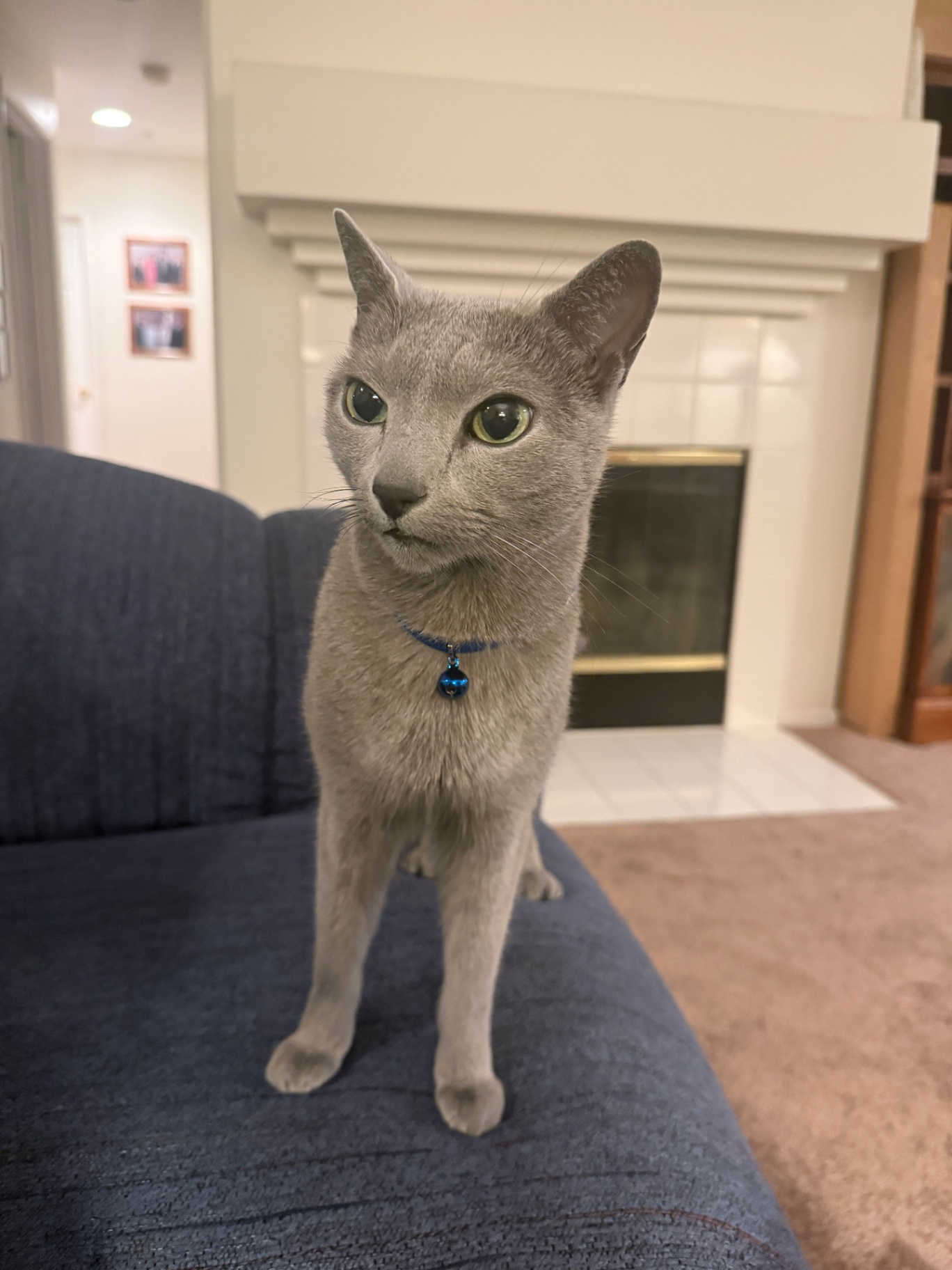
A cat’s ears are like satellite dishes for their emotions. They have 32 muscles in each ear, allowing them to rotate 180 degrees. If you want to know what your cat is thinking before they even move, look at their head.
Ears Forward
When those ears are pointed forward and slightly tilted, your cat is relaxed or interested. They’re likely watching a bird outside or waiting for you to drop a piece of chicken. This is the "happy cat" default setting.
The "Airplane Ears"
When the ears go flat and point out to the sides like wings, your cat is annoyed, anxious, or about to zoom across the room. If you see airplane ears while you’re scrolling on your phone, your cat might be telling you they’ve had enough "me time" and want some "we time."
Ears Pinning Back
If the ears are flat against the head, back off. This is a sign of high-level agitation or fear. Understanding this is a vital part of cat care because it prevents scratches and keeps your cat feeling safe in their environment.
Step 3: Tail Language is Real Talk
If you only learn one thing today, let it be tail language. A cat’s tail is their most honest communication tool.
The Question Mark
When your cat walks toward you with their tail straight up and a little hook at the end, they are thrilled to see you. It’s the cat version of a high-five. This is a great time for some chin scratches or play.
The Slow Swish vs. The Fast Lash
A slow, rhythmic wave usually means they’re focused on something, like a toy (or your feet under the blanket). However, if that tail starts thumping or lashing back and forth rapidly, they are angry. This isn't the time for cuddles; it’s the time to give them space.
The Bottle Brush
If the tail puffs up like a pipe cleaner, your cat is terrified or startled. Their instinct is to look bigger to scare off potential threats. If this happens during play, you might be playing a bit too rough. Learning these cat tips helps keep the vibes chill at home.

Step 4: Watch the Body Posture
Cats use their entire bodies to tell a story. As a cat dad, you need to be able to read the silhouette.
The Loaf
When a cat tucks their paws under their chest and sits like a loaf of bread, they are content. They feel safe enough to not have their paws ready for immediate action. This is a sign of a well-adjusted cat who trusts their human.
The Belly Trap
We’ve all been there. Your cat rolls over, shows you that soft, fluffy belly, and you reach in for a rub… only to get "bunny kicked." In cat language, showing the belly isn't always an invitation for a belly rub. It’s a sign of ultimate trust. They are showing you their most vulnerable spot. Sometimes, they just want you to acknowledge it, not touch it.
The Back Arch
A slow stretch with an arched back is just your cat waking up. But a stiff, arched back with fur standing up (the Halloween cat look) is a defensive move. If your cat does this often, look around: something in your house is stressing them out.

Step 5: The "Slow Blink" and Eye Contact
In the wild, staring is a sign of aggression. That’s why cats often gravitate toward the one person in the room who isn't looking at them (usually the person who is allergic to cats).
The Slow Blink
If your cat looks at you and slowly closes and opens their eyes, they are telling you they love you. It’s called a "cat kiss." You can actually do it back to them to build trust. It’s one of the simplest cat tips for bonding.
Dilated Pupils
If their pupils are huge black circles, they are either in a low-light environment or they are very excited. This "hunting mode" happens right before they pounce on a toy. If their pupils are huge and they aren't playing, they might be feeling stressed or overstimulated.
The Stare-Down
If a cat is staring at you with narrowed eyes, they are asserting dominance or feeling frustrated. Usually, this happens around dinner time. Context is key! Always look at what else is happening: is the dog nearby? Is the sun hitting a specific spot? Context helps you provide better cat care.

Why Understanding Behavior Matters for Cat Health
You might think decoding cute cats is just for fun, but it’s actually a cornerstone of proactive cat health. Cats are masters at hiding pain. Because they are both predators and prey in the wild, showing weakness is a big no-no.
By knowing your cat’s "normal" body language, you’ll be the first to notice when something is wrong. A cat that usually greets you with a "question mark" tail but suddenly stays hunched in a corner is sending a clear signal that they don’t feel well.
Being a great cat dad means more than just providing food and a litter box. It’s about being an advocate for your little buddy. When you understand their language, you can spot the "7 Mistakes You're Making with Cat Health" before they become major issues.

Putting It All Together
Being a cat dad is a journey. Your cat is constantly learning about you, so it’s only fair you learn about them. Use these five steps to observe your cat throughout the day.
Notice how their ears move when you open a can of food. Watch their tail when you come home from work. Give them a slow blink when they’re lounging in a sunbeam. These small moments of communication are what turn a house pet into a true member of the family.
Stick around for more cat tips as we continue our series on "Cute Cat Behavior and Pro Cat Care Tips." Next time, we’ll dive into a common question every cat dad asks: "Is Your Cat Bored?" (And how to fix it with some simple home upgrades).
Until then, keep those slow blinks coming.