

Ever wonder what’s actually going on inside that fuzzy little head? One minute your cat is purring like a tiny motor, and the next, they’re zooming across the room for no apparent reason. It’s easy to think cats are just unpredictable, but they’re actually communicating with us all the time.
If you want to provide the best cat care, you need to understand who your cat really is. Every cat has a unique vibe. Some are social butterflies, while others are basically tiny, furry ninjas. Decoding your cat’s personality doesn’t require a degree in animal psychology: it just takes five minutes of focused observation.
In this guide, we’ll break down the secret language of cute cats so you can level up your cat tips and understand your best friend on a whole new level.
Why Personality Matters for Cat Health
Before we dive into the "how," let’s talk about the "why." Understanding your cat’s personality is a huge part of cat health. When you know what’s "normal" for your specific cat, you can spot when something is wrong much faster.
A naturally social cat who suddenly hides under the bed is telling you they might be feeling unwell. A high-energy explorer who becomes lethargic is a red flag. By decoding their personality today, you’re setting yourself up to be a better cat parent tomorrow.

The 5-Minute Observation Test
To get a clear picture of your cat’s personality, find a time when they are awake and active. Grab a notebook or just use your phone. For the next five minutes, watch them without interfering. Don’t call their name or shake the treat bag just yet. Just watch.
1. The Tail Tale (Minutes 1-2)
The tail is the most honest part of a cat. It’s like a mood ring that actually works.
- The Question Mark: If the tail is upright with a little hook at the top, you’ve got a friendly, confident cat. This is a hallmark of a "Social Butterfly" personality.
- The Twitchy Tip: A tail that’s mostly still but has a twitching tip usually means they’re focused or slightly annoyed. This is common in "The Hunter" types.
- The Low Tuck: If the tail is tucked between the legs or held very low, your cat is likely a "Shy Ninja." They are cautious and need a lot of security to feel safe.
- The Bottle Brush: A puffed-up tail means they’re scared or feeling defensive. If this happens often without a clear cause, it’s worth looking into cat tips for reducing stress.

2. Ears and Eyes (Minute 3)
Next, look at the face. Cats use their ears and eyes to signal their comfort level with the environment.
- Forward and Alert: If their ears are facing forward, they’re engaged and curious. These cats are usually "The Explorers." They want to know what’s in every cupboard and behind every door.
- The Slow Blink: If your cat looks at you and slowly closes their eyes, congratulations! That’s a "cat kiss." It means they trust you completely. Cats that do this frequently are generally "The Lovebugs": affectionate and mellow.
- Wide Pupils: If it’s not dark and their pupils are huge, they’re either very excited (about to pounce) or very anxious.
3. Vocalizations (Minute 4)
Now, start interacting. Say their name or walk toward them. Do they respond vocally?
- The Chatterbox: Some cats meow at everything. They meow when you wake up, when you walk into the kitchen, and when they find a cool dust bunny. These are extroverted cats who crave social interaction.
- The Silent Type: Some cats almost never meow. They communicate through physical presence. This suggests a more independent or "The Observer" personality.
- The Chirper: If your cat makes little "brrrpt" sounds, they’re likely very playful and happy.
4. Physical Boundaries (Minute 5)
Finally, reach out and offer a hand. How do they react to your touch?
- The Head Bunter: If they immediately rub their cheeks or forehead against you, they’re marking you as "theirs." This is a sign of a secure, affectionate personality.
- The Belly Displayer: If they flop over and show their belly, they trust you, but be careful: it’s not always an invitation for a belly rub! For many cute cats, this is just a sign of feeling relaxed.
- The Lean: A cat that leans their weight against your leg is a "The Companion" type. They like being near you without necessarily needing constant active play.

Identifying the 4 Major Cat Personalities
After your five-minute observation, you can usually categorize your cat into one of these four common personality profiles.
1. The Social Butterfly
These cats are the life of the party. They meet guests at the door, love to be held, and follow you from room to room.
- Cat Care Tip: These cats get lonely easily. They need plenty of interactive playtime and might even benefit from a feline friend.
2. The Shy Ninja
The Shy Ninja is the cat that disappears when the doorbell rings. They love you, but they prefer a quiet life on their own terms.
- Cat Care Tip: Don’t force interaction. Give them plenty of "vertical space" (like cat trees) where they can observe the world from a safe distance.
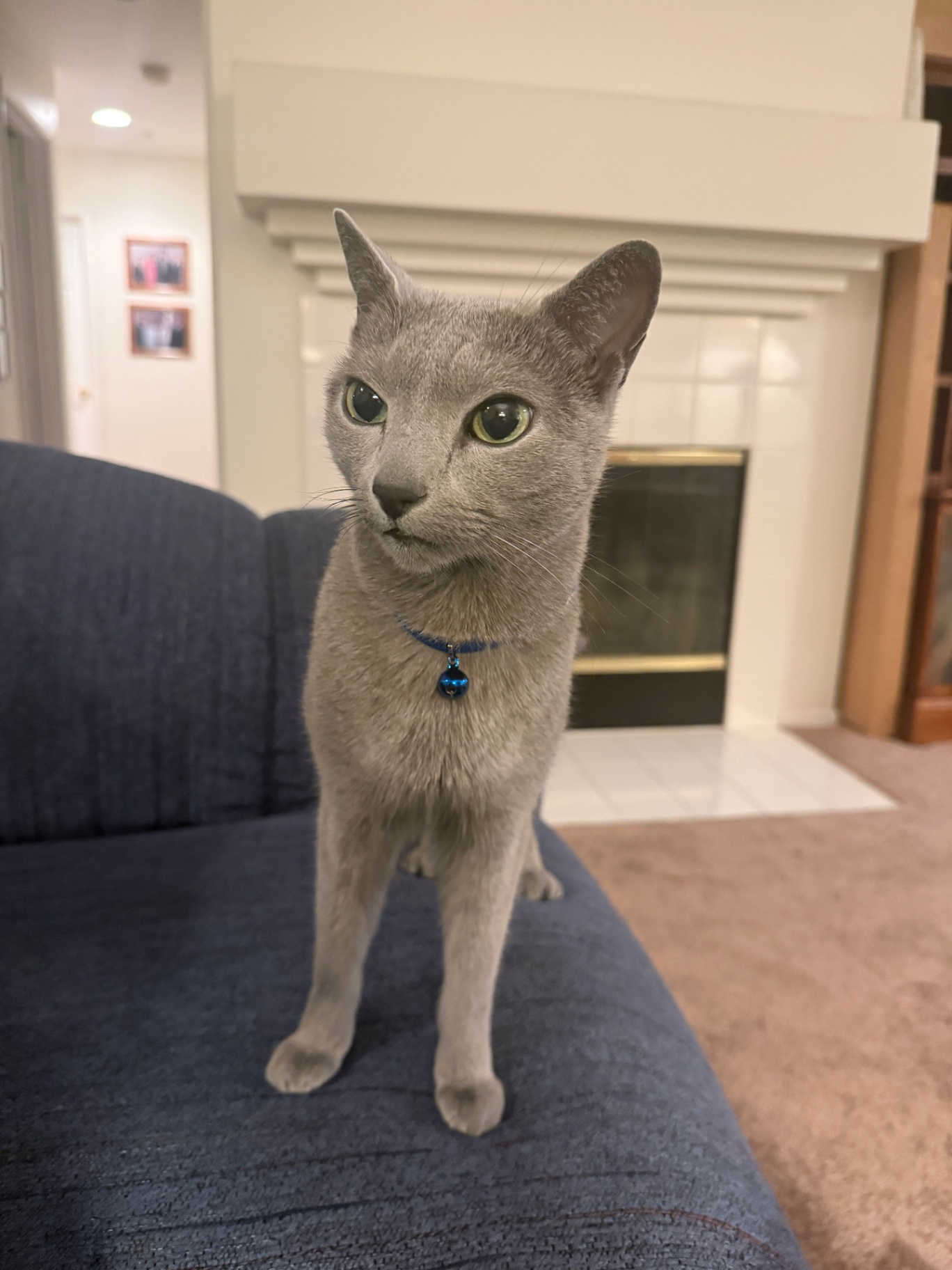
3. The Adventurous Explorer
Does your cat try to jump on top of the refrigerator? Do they "help" you fold laundry by jumping into the pile? This is an Explorer. They are high-energy and very curious.
- Cat Care Tip: Keep them busy! Puzzle feeders and new toys are essential to prevent them from getting bored and destructive.
4. The Laid-Back King/Queen
These cats are the masters of the "nap." They are calm, predictable, and generally unfazed by changes in the household.
- Cat Care Tip: Watch their weight. Because they aren’t as active as Explorers, they can easily pack on the pounds. Keeping an eye on their cat health through a controlled diet is key.

Why Personalities Change
It’s important to remember that a cat’s personality isn't 100% set in stone. It can shift based on their environment, age, and cat health.
- Age: Kittens are almost all "Explorers" by nature, but they usually settle into a more permanent personality around age two. Senior cats might move from being "Social Butterflies" to "Laid-Back Queens" as they slow down.
- Health: As mentioned before, sudden personality shifts are often the first sign of a medical issue. If your "Lovebug" suddenly becomes "The Shy Ninja," it’s time for a vet checkup.
- Stress: Changes in the home: like a new baby, a move, or even moving the furniture: can cause a cat to retreat into a more cautious personality type.
How to Support Your Cat's Unique Vibe
Once you’ve decoded your cat, you can tailor your home to fit their needs.
For the Social Butterfly, make sure you have "cuddle stations" on the couch where you hang out. For the Adventurous Explorer, invest in a window perch so they can watch "cat TV" (the birds outside). For the Shy Ninja, ensure their litter box and food bowls are in quiet, low-traffic areas.
Understanding your cat isn’t just about making life easier for you; it’s about making life better for them. When a cat feels understood, they’re less stressed, more affectionate, and generally healthier.

Final Thoughts
Cats are complex, hilarious, and endlessly fascinating. By taking just five minutes to really look at their body language and behaviors, you’re looking past the "cute cat" exterior and seeing the soul underneath.
Whether you have a bold explorer or a quiet observer, every personality type brings something special to your home. Keep these cat tips in mind, stay observant about their cat health, and enjoy the unique bond you share with your feline friend.
After all, the best part of being a cat parent is realizing that, while you might "own" the cat, they definitely own your heart. Stay tuned for more tips on how to keep your kitty happy, healthy, and full of personality!