

If you’ve ever lived with a cat, you know they aren’t just "pets." They are roommates with very specific opinions on where the sun hits the floor, how the kibble is served, and whether or not you’re allowed to touch their belly. Hi, I’m Paul, a professional cat dad, and I’ve spent a lot of time figuring out what makes our feline friends tick.
When we talk about cat care, we often focus on the physical stuff, the best food, the right vaccines, and keeping them groomed. But a huge part of cat health is actually mental and emotional. Understanding cat personality is the secret sauce to having a happy, well-adjusted companion.
Every cat is a unique individual, but researchers have actually narrowed down feline personalities into a few core traits. Let's dive into what makes a cat, well, a cat.
The "Feline Five": The Science of Cat Personality
Scientists have actually studied this! Just like humans have the "Big Five" personality traits, cats have the "Feline Five." Knowing where your cat falls on this spectrum is one of the best cat tips I can give you for a stress-free home.
- Extraversion: These are the curious, smart, and active cats. They want to know what’s in every cupboard.
- Agreeableness: The ultimate "lap cats." They are friendly, gentle, and affectionate.
- Neuroticism: This sounds intense, but it just means a cat is shy or anxious. They need more hiding spots and a very stable routine.
- Dominance: These are the bosses. They might be a bit "bully-ish" with other cats and very protective of their toys.
- Impulsiveness: The wild cards. They react quickly to things and can be a bit erratic or reckless in their play.
Understanding these traits helps you tailor your cat care routine. A neurotic cat needs a quiet home, while an extraverted cat needs a lot of "catification" (shelves, toys, and puzzles) to stay happy.

10 Things You Should Know About Cat Personality
Finding the right match for your lifestyle or understanding the "cute cat" already on your sofa comes down to these ten essential insights.
1. Socialization is a Tiny Window
A cat's personality is largely formed when they are tiny kittens. The socialization window: usually between 2 and 7 weeks of age: is when they learn if humans are friends or foes. If you’re adopting an adult cat, their history during these weeks defines their baseline. A cat that wasn't handled much as a kitten might always be a bit more "aloof," and that's okay.
2. Breed Plays a Huge Part
While every cat is an individual, genetics matter. If you want a "dog-like" cat, a Maine Coon is a great bet: they are famously social and calm. If you want a talkative companion who will tell you about their day, a Siamese is your go-to. On the flip side, if you want a quiet, passive buddy, Persians and Exotics are the "couch potatoes" of the cat world.

3. The "Orange Cat" Energy is Real (Sort Of)
We’ve all seen the memes about orange cats having "one shared brain cell." Interestingly, research suggests there’s a grain of truth to coat color stereotypes. Orange cats often score higher for friendliness and trainability. Gray cats tend to be a bit more shy, and tabbies are frequently the boldest and most active. However, don't judge a book by its cover; always spend time with a cat before deciding their personality!
4. Active Engagement Builds the Best Bonds
If you want a happy cat, you have to play with them. Research shows that the strongest bonds between owners and cats happen when the cat is active and friendly. If your cat seems bored or distant, it might be because they aren't getting enough mental stimulation. Interactive play: think feather wands and laser pointers: is essential for cat health.
5. Vocalization is a Choice
Some cats are silent ninjas, while others chirp, meow, and trill constantly. Vocalization is often a learned behavior. Cats don't actually meow at other cats very much; they developed meowing specifically to communicate with humans. If you respond to your cat’s "talk," they’ll keep doing it.

6. Bunting is the Ultimate "I Love You"
Does your cat rub their forehead or cheeks against your legs? That’s called "bunting." They have scent glands on their faces, and by rubbing against you, they are marking you as "safe" and part of their family. It’s a huge sign of an agreeable and happy personality. If your cat does this, you’re doing a great job at cat care.
7. Personality Shifts with Age
Just like us, cats change as they grow. A high-energy kitten might become a very chill senior. However, sudden changes in personality (like a friendly cat suddenly becoming aggressive or a clean cat stopping using the litter box) are often signs of medical issues. Always keep an eye on these shifts as part of your cat health checklist.
8. Territory is Everything
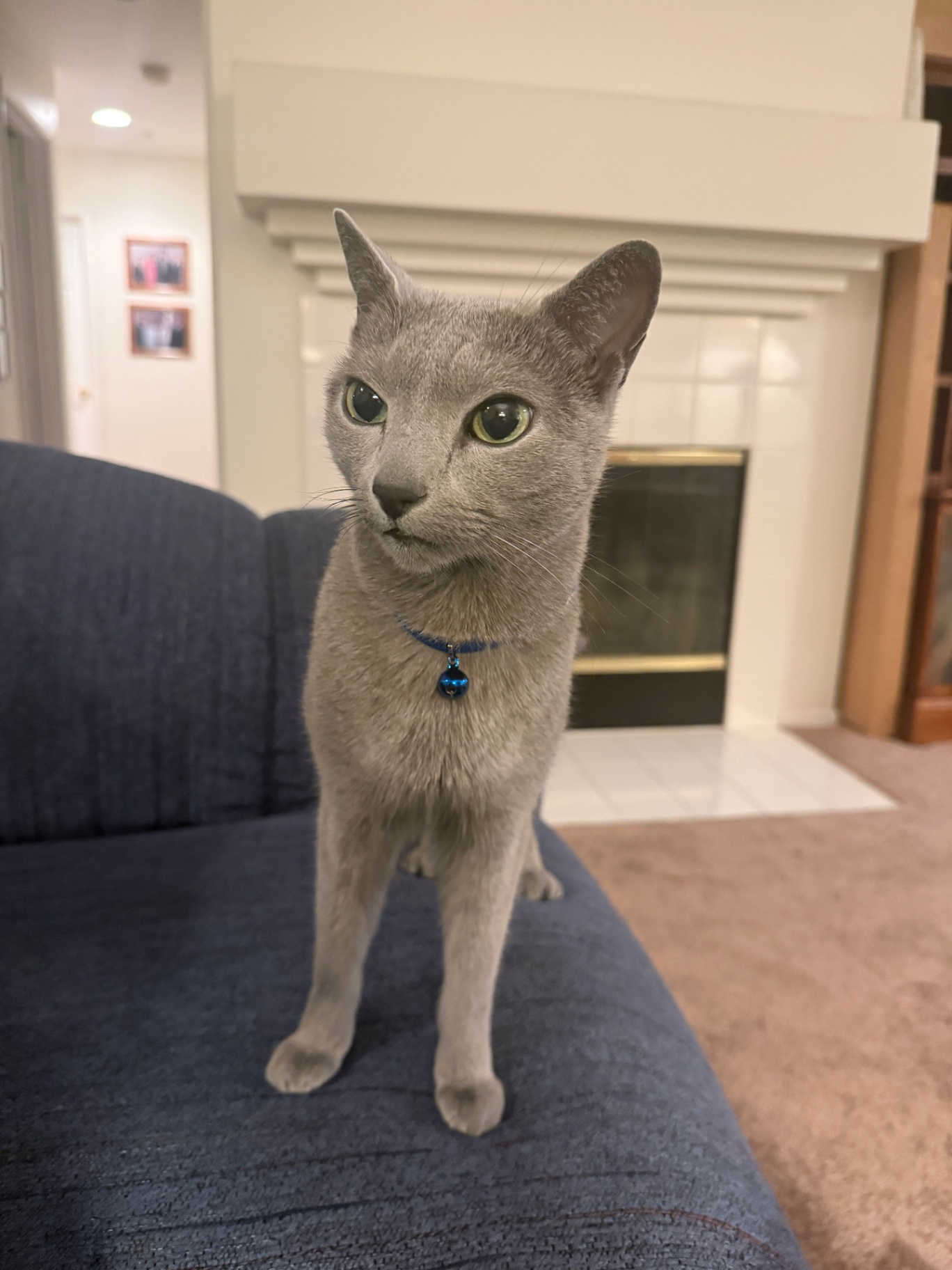
For a cat, their personality is tied to their space. A "confident" cat is one that feels they own the room. If a cat is hiding under the bed, they don't feel "territorially secure." One of the best cat tips for a happy cat is to provide vertical space. Cats love to look down on their kingdom; it makes them feel safe and in control.
9. They Can Read Your Emotions
Cats are more observant than we give them credit for. They can recognize their owner’s emotional state. Many cat owners report that their pets become more affectionate: increasing meowing or head-rubbing: when they feel sad or stressed. This emotional intelligence is a key part of why we love cute cats so much.
10. Introverts vs. Extroverts
Some cats are "people cats," and some are "one-person cats." An introverted cat might hide when guests come over but be a total cuddle-bug when it’s just you. Understanding and respecting these boundaries is vital. Forcing an introverted cat to be social will only lead to stress and behavior problems.

How to Choose the Right Personality
If you’re looking to add a new member to your family, don't just look for the cutest kitten. Look for the personality that matches your life.
- For Busy Families: Look for a cat high in "Extraversion" and "Agreeableness." You want a cat that isn't easily startled by noise or quick movements.
- For Quiet Apartments: A "Neurotic" or shy cat might actually thrive in a calm, one-person household where they can feel safe and secure.
- For the Active Owner: If you want to teach your cat tricks or walk them on a harness, look for high intelligence and curiosity (think Bengals or Abyssinians).
Final Thoughts on Cat Happiness
At the end of the day, a happy cat is one that is understood. When you stop expecting your cat to act like a dog and start appreciating their unique feline "quirks," your relationship will transform. Whether they are a "bossy" cat who demands treats at 5 AM or a "shy" cat who only snuggles at night, every personality is special.
Taking care of a cat is about more than just food and water: it’s about providing an environment where their specific personality can shine. Keep these cat tips in mind, stay on top of cat health, and you’ll have a furry best friend for life.
Happy cat parenting!