

Ever feel like your cat is a tiny, furry enigma? You aren’t alone. One minute they are purring against your leg, and the next, they’re zooming across the room like they’ve seen a ghost. Understanding these tiny tigers is a core part of great cat care. When we decode their behavior, we don't just see cute cats; we see their emotions, their health, and their needs.
Being a cat parent is a journey. To help you on that path, I’ve put together this simple guide. Whether you’re a new owner or a long-time "cat dad" like me, these cat tips will help you speak their language.
Step 1: Master Tail Language
If you want to know what your cat is thinking, look at the tail. It’s essentially a furry mood ring. Unlike dogs, where a wag usually means happy, a cat’s tail is much more nuanced.
The High Salute
A tail held straight up in the air is the ultimate green light. It means your cat is feeling confident, friendly, and happy to see you. If the very tip of that upright tail has a little "hook" or a tiny quiver, they’re practically shouting that they love you. This is the perfect time for some chin scratches.
The Upside-Down "U"
When a cat arches the base of their tail into a curve while they run, they are in "play mode." You’ll often see this during the "zoomies." It’s a sign of excitement and high energy. If you see this, grab a feather wand: it’s time to play!
The Lash and the Flick
On the flip side, if the tail is thumping against the floor or lashing back and forth rapidly, back off. This is a sign of irritation or overstimulation. In terms of cat health, pushing a cat when they show these signs can lead to stress or a quick nip.
Step 2: Read Eye and Ear Signals
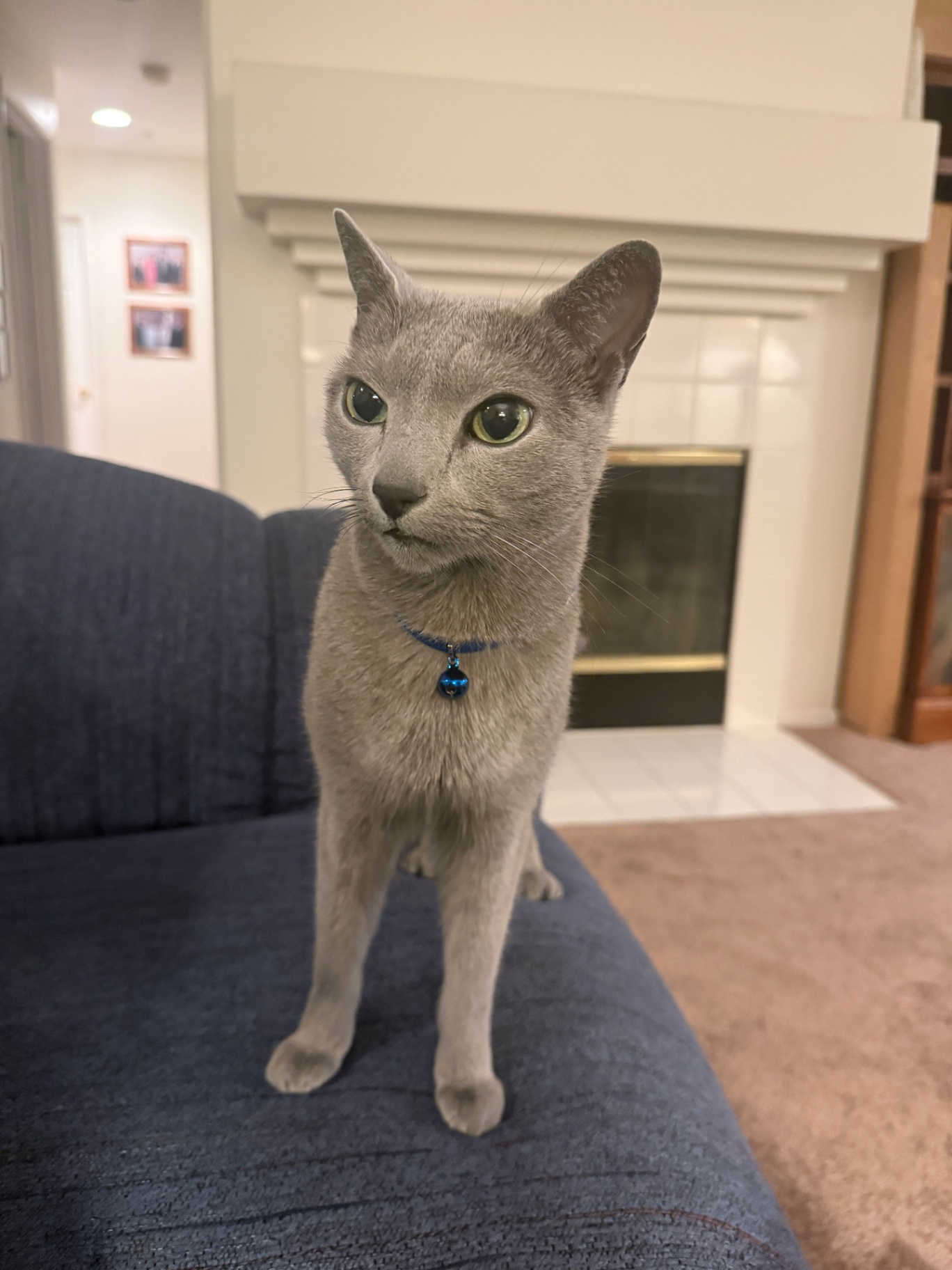
A cat’s face tells a story if you know where to look. Their eyes and ears are incredibly expressive tools for communication.
The "Cat Kiss"
Have you ever caught your cat staring at you and then slowly closing their eyes? This is the famous "slow blink." In the wild, closing one's eyes is a sign of vulnerability. By doing this, your cat is telling you they trust you completely. It’s one of the most heartwarming cat tips to try: slow blink back at them to say "I love you" in their language.
Dilated vs. Constricted Pupils
Pupils tell you about their arousal levels. Large, round pupils often mean excitement, fear, or a "hunting" mindset. If it’s dark, it’s just biology helping them see. But if it’s bright and their pupils are huge, they are either very playful or very startled. Small, slit-like pupils usually indicate a relaxed state: or, if accompanied by a hiss, anger.
Ear Positioning
- Forward: Neutral, curious, or happy.
- Twitching: Alert or slightly annoyed.
- Flattened (Airplane Ears): Fearful, aggressive, or ready for a fight. If the ears go flat, it’s a clear signal to give them some space.

Step 3: Interpret Body Posture
Looking at the whole cat gives you the full context of their mood. Cute cats can go from liquid-relaxed to a puff-ball in seconds.
The Relaxed Loaf
When a cat tucks their paws under their chest: looking like a little loaf of bread: it means they feel safe. They aren't worried about having to run away quickly. This is a great sign that your home environment is cat-friendly and low-stress.
The Belly Trap
We’ve all seen it: the cat rolls over and shows their fluffy belly. While it looks like an invitation for a belly rub, be careful! For many cats, showing the belly is a sign of extreme trust, but not necessarily a request for a massage. Some cats will instinctively use all four paws to "bunny kick" if you touch the belly. Proceed with caution.
The Arched Back and Puffy Fur
If a cat arches their back and their fur stands on end (piloerection), they are trying to look as large as possible. This is a defensive move. They are scared or feeling threatened. Understanding these signals is vital for cat health because chronic stress can lead to physical issues.

Step 4: Recognize Trust and Affection
Cats aren’t always as aloof as people think. They show affection in very specific, sometimes weird, ways.
Head Butting (Bunting)
When your cat bumps their head against your forehead or cheek, they are "bunting." Cats have scent glands on their faces. By rubbing against you, they are marking you as part of their family. It’s a "you belong to me" gesture that is a huge compliment in the feline world.
Making Biscuits (Kneading)
Kneading: or "making biscuits": is a behavior carried over from kittenhood. Kittens knead their mothers to stimulate milk flow. In adult cats, it’s a sign of pure comfort and contentment. If they are doing this on your lap, they are basically saying you make them feel as safe as their mother did.
Following You Around
Does your cat follow you into the bathroom or wait by the door? This isn't just about food (though it often is!). It shows they enjoy your company and want to be in your social circle. Even if they aren't sitting on you, just being in the same room is a sign of a strong bond.
Step 5: Identify Stress and Playfulness
Distinguishing between a cat that is playing and a cat that is stressed is a key part of cat care.
Playful "Hunting"
Play is just practiced hunting. If your cat is stalking your feet, pouncing on toys, or chirping at birds out the window, they are engaging their natural instincts. This is healthy and keeps them mentally sharp. Ensure they have enough toys to satisfy this urge so they don't turn your furniture into "prey."
Low-Level Stress
Sometimes stress is subtle. A stressed cat might:
- Over-groom a specific spot (leading to bald patches).
- Hide more than usual.
- Stop using the litter box.
- Flick their ears or tail constantly.
If you notice these changes, it’s a good time to check in on their cat health. Sometimes a change in the house: like a new guest or a moved piece of furniture: can trigger feline anxiety. Keeping things simple and consistent helps keep them happy.

Wrapping It Up
Decoding your cat doesn't require a degree in animal psychology. It just takes a little bit of observation and a lot of love. By paying attention to their tail, eyes, and body language, you can build a deeper connection with your pet.
Remember, every cat is an individual. Some might be more vocal, while others express everything through a subtle ear flick. The more time you spend with your furry friend, the better you’ll get at reading their unique "accent."
Keep your cat care routine simple, focus on these cat tips, and enjoy the rewarding experience of living with cute cats. Your cat will thank you: probably with a slow blink and a few biscuits.
Stay tuned for our next post, where we’ll dive into "7 Mistakes You're Making with Cat Health" to keep your feline friend in tip-top shape!