

As a cat dad, I spend a lot of my time just watching my cats do weird things. One minute they’re sprinting across the room for no reason, and the next they’re staring at a blank wall like they’ve seen a ghost. If you’ve ever wondered why your feline friend acts the way they do, you’re not alone. Understanding cat behavior is like learning a secret language. Once you get it, your bond with your pet gets so much stronger.
Cats don’t use words, but they are constantly communicating. Whether it’s through a twitch of the tail or a tiny "mew," they are telling you exactly how they feel. In this guide, we’re going to break down some of the most common cute cat behaviors so you can become a pro at cat care.
The Magic of the "Cat Kiss"
Have you ever caught your cat staring at you from across the room, only for them to slowly close and open their eyes? That’s not them being sleepy, that’s a "cat kiss."
In the wild, closing one’s eyes is a sign of extreme vulnerability. By slow-blinking at you, your cat is saying, "I trust you enough to close my eyes in your presence." It’s one of the highest compliments a cat can give.
Cat Tip: Try doing it back! Next time your cat slow-blinks at you, mimic the movement. It’s a simple way to communicate love in their own language. This tiny interaction is great for their emotional cat health, as it reduces stress and builds security.
Reading the Tail: The Feline Mood Ring
A cat’s tail is basically a mood ring. It’s one of the most expressive parts of their body. If you want to master cat care, you have to master tail reading.
- The Question Mark: If your cat approaches you with their tail upright and a little hook at the top, they are happy and curious. This is the "let’s be friends" signal.
- The Quiver: If the tail is straight up and vibrating or quivering, they are incredibly excited to see you. You’ll often see this at mealtime or when you first get home from work.
- The Tucked Tail: A tail tucked between the legs or wrapped tightly around the body usually means fear or submission. Something in the environment is making them uneasy.
- The Puff: If the tail looks like a bottle brush, the cat is scared or threatened. They are trying to look bigger to ward off a potential "predator" (even if that predator is just the vacuum cleaner).
Why Do They "Make Biscuits"?
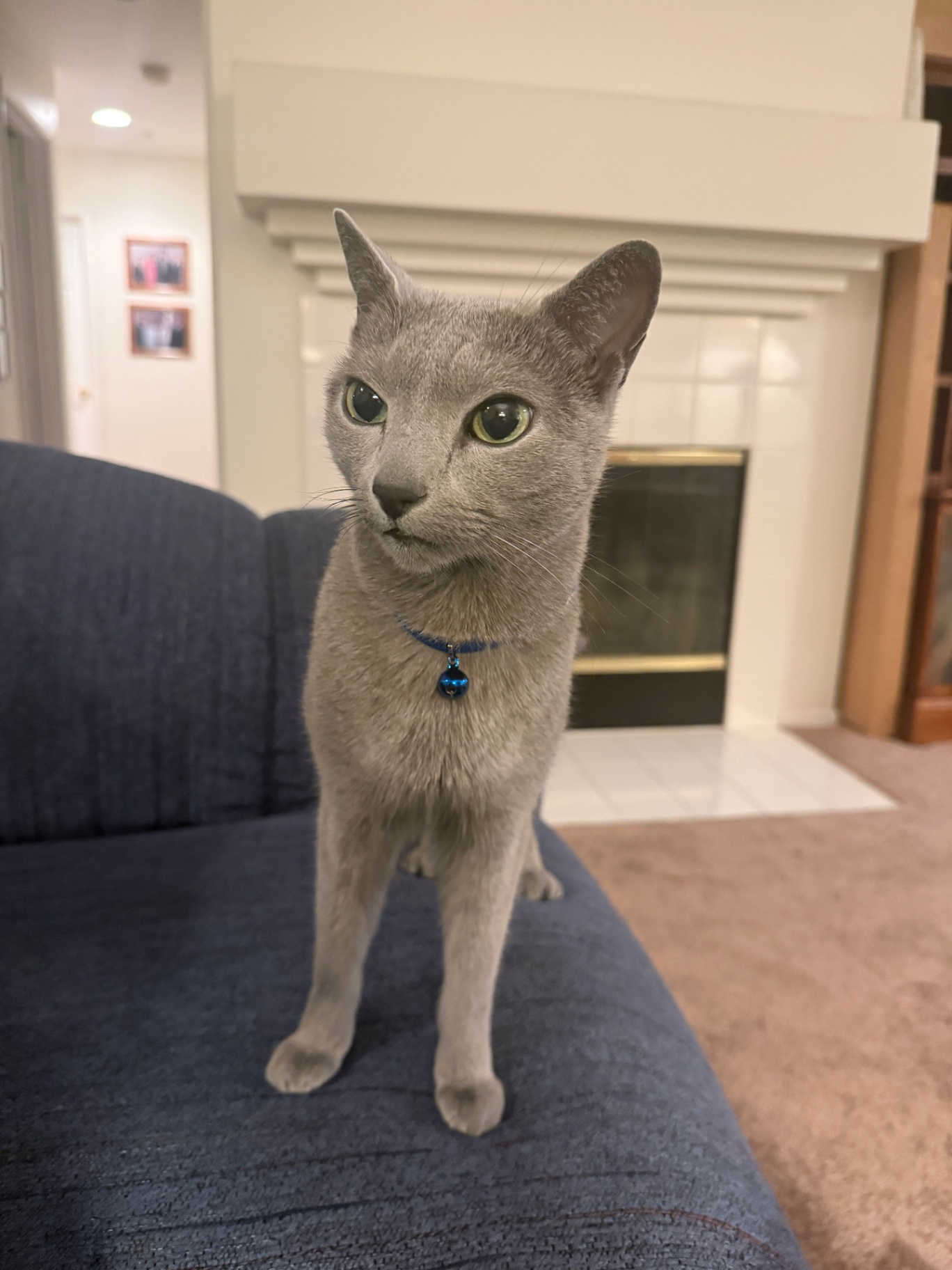
Kneading, or "making biscuits," is when a cat rhythmically pushes their paws in and out against a soft surface (usually your favorite sweater or your lap). It’s one of the most adorable cute cats behaviors, but it actually has its roots in kittenhood.
Kittens knead their mothers to stimulate milk flow. When adult cats do it, it means they are feeling completely content, safe, and comfortable. It’s a leftover instinct that brings them back to their happiest, most secure memories.
However, keep an eye on those claws! If the kneading gets a bit too sharp, it might be time for some cat grooming. Keeping their nails trimmed is an essential part of cat health to prevent accidental scratches to you, and to your furniture.
The Mystery of the Head Bunt
If your cat walks up to you and smacks their forehead against your leg or face, don't worry, they aren't trying to start a fight. This is called "bunting."
Cats have scent glands all over their faces, above their eyes, on their cheeks, and around their mouths. When they rub their head on you, they are marking you with their scent. In their mind, they are saying, "This human belongs to my family group." It’s a sign of ultimate acceptance.

The "Belly Trap"
We’ve all been there. Your cat flops over on their back, showing off their soft, fluffy tummy. It looks like an invitation for a belly rub, but as soon as you touch it, CHOMP.
In the world of cute cats, showing the belly is a sign of trust, not necessarily a request for pets. A cat’s stomach is their most vulnerable area. By exposing it, they are telling you they feel safe around you. However, many cats still have a natural instinct to protect that area. If you go in for a rub, their "predator" instincts might kick in, leading to the "bunny kick" or a nip.
Cat Tip: If your cat shows their belly, try scratching their chin or behind their ears instead. It’s a safer way to acknowledge their trust without triggering a defensive reaction.
Vocalizations: Beyond the Meow
Did you know that adult cats rarely meow at other cats? Meowing is a behavior they developed almost exclusively to communicate with humans. Since we aren't great at reading scent or subtle ear twitches, they realized they had to get loud to get our attention.
- The Short Meow: A standard greeting. "Hey, how's it going?"
- The Chirp or Trill: This is a sound mothers use to tell kittens to follow them. When they do it to you, they usually want you to follow them to their food bowl.
- The Chattering: You’ll hear this when your cat is looking out the window at a bird. It’s a mix of excitement and the frustration of not being able to hunt.
- The Purr: Most people think purring always means a cat is happy. While that’s usually true, cats also purr to self-soothe when they are in pain or stressed. If your cat is purring but acting lethargic or hiding, it’s worth checking in on their cat health.

Zoomies and Nighttime Sprints
It’s 11:00 PM, you’re about to fall asleep, and suddenly it sounds like a herd of elephants is racing through your hallway. Welcome to the "Zoomies."
Cats are crepuscular, meaning they are most active at dawn and dusk. Because indoor cats spend a lot of time sleeping while we are at work, they often have a buildup of pent-up energy. The Zoomies are just their way of burning off that extra fuel.
To help manage this, try to incorporate a vigorous play session about 30 minutes before you go to bed. Using a wand toy to let them "hunt" will satisfy their instincts and help them sleep through the night. Good cat care is all about managing their energy levels so everyone can get some rest.
Why Do They Love Boxes?
You buy an expensive, orthopedic cat bed, and your cat decides to sleep in the cardboard shipping box it came in. Why?
Small, enclosed spaces provide security. In a box, nothing can sneak up on a cat from the side or behind. It’s also a great way for them to regulate their body temperature. Cardboard is a fantastic insulator, and cats love to be warm (their ideal temperature is much higher than ours!).
Final Thoughts on Cat Behavior
Understanding your cat isn't about being a mind reader; it’s about being an observer. Every cat has a unique personality, but these basic behaviors are the foundation of feline communication. When you start noticing the "cat kisses," the tail quivers, and the head bunts, you’ll realize your cat is talking to you all day long.
Stay tuned for more cat tips as we continue our series. Tomorrow, we’ll be diving into "7 Mistakes You're Making with Cat Health" to help you ensure your furry friend stays happy and healthy for years to come.
Remember, being a great pet parent starts with simply paying attention. Happy cat-watching!