

Being a cat parent is one of the best jobs in the world. Between the midnight zoomies, the gentle purrs, and the occasional "gift" brought to your feet, cats bring an incredible amount of joy to our homes. We all want our feline friends to live their longest, healthiest lives. However, even the most dedicated cat lovers can fall into a few common traps when it comes to cat care.
Cats are masters of disguise. In the wild, showing weakness or pain makes you a target, so our domestic cats have evolved to hide their health issues until they’re impossible to ignore. This means a lot of cat health problems go unnoticed until they become serious.
If you’ve ever wondered if you’re doing everything right for your fluffy companion, don’t worry. We’ve rounded up the top 7 mistakes people make with cat health and, more importantly, how to fix them with simple, pro-level cat tips.
1. The "Only When They're Sick" Vet Philosophy
One of the biggest mistakes cat owners make is only taking their cat to the vet when something is visibly wrong. Since cats are so good at hiding discomfort, by the time you notice they’re sick, the condition might be quite advanced.
The Fix: Schedule annual wellness exams. For senior cats (usually age 7 and up), many vets recommend twice-yearly checkups. These visits allow your vet to establish a "baseline" for your cat's health. Routine bloodwork can catch things like kidney disease or hyperthyroidism months or even years before symptoms appear. Think of it as a tune-up for your favorite little motor!

2. The "Indoor Cat" Shield Myth
It’s a common belief: "My cat never goes outside, so they don't need vaccines or parasite prevention." Unfortunately, bugs don’t care about your front door. Fleas and ticks can hitch a ride on your clothes, and mosquitoes (which carry heartworm) can easily fly through a tiny tear in a window screen. Even more concerning, some viruses can be brought in on your shoes.
The Fix: Talk to your vet about a minimalist but effective prevention plan. Keeping up with core vaccines and year-round parasite prevention is essential cat care, even for the most dedicated indoor couch potato. It’s much cheaper (and less stressful) to prevent fleas than it is to treat an infestation in your carpet.
3. The All-Day "Buffet" (Free-Feeding)
We get it: it's easy to just fill up the bowl and let your cat graze. But according to veterinary health experts, obesity is one of the leading health crises for cute cats today. Extra weight puts massive strain on their joints and significantly increases the risk of feline diabetes.
The Fix: Switch to measured meals. Instead of a bottomless bowl, use a kitchen scale or a measuring cup to give your cat the exact amount of calories they need. Aim for 2–3 scheduled meals a day. If your cat is a "beggar," try using puzzle feeders. It slows down their eating and turns mealtime into a fun hunting game, which is great for their mental cat health.

4. Forgetting the Fangs
Did you know that by age three, most cats already show signs of dental disease? Bad breath isn't just "cat breath": it's often a sign of bacteria and infection. If left untreated, dental issues can lead to systemic problems in the heart and kidneys.
The Fix: Start a dental routine. While brushing a cat's teeth sounds like a mission impossible, many cats can be trained to accept it with feline-friendly toothpaste (never use human toothpaste!). If brushing isn't happening, look for dental treats or water additives approved by the Veterinary Oral Health Council (VOHC).
5. The Water Woes
In the wild, cats get most of their hydration from their prey. Because of this, they have a naturally low "thirst drive." If your cat is on a strictly dry-food diet and isn't a big drinker, they could be living in a state of chronic mild dehydration, which is tough on the kidneys.
The Fix: Encourage drinking and add wet food. Wet food is about 75-80% water, making it a great way to sneak hydration into their diet. You can also try a cat water fountain. Many cats prefer running water over a stagnant bowl: it appeals to their instincts that running water is "fresher."

6. Poor Litter Box Math and Hygiene
Litter box issues are the #1 reason cats are surrendered to shelters, and often, it's a "human error" mistake. Having a dirty box or not enough boxes can cause a cat to hold their urine, which can lead to painful urinary tract infections or dangerous blockages.
The Fix: Follow the "N+1" rule. You should have one more litter box than you have cats. If you have one cat, you need two boxes. Scoop daily: no exceptions! Cats have a sense of smell that is much stronger than ours; if the box smells bad to you, it’s a nightmare for them. For more tips on keeping your home fresh, check out our Instagram for daily cat life inspiration.
7. Misreading "The Hiding Spot"
When a human feels sick, we complain. When a cat feels sick, they hide. One of the most subtle signs of a cat health issue is a change in behavior. If your normally social cat is suddenly spending all their time under the bed, or if your quiet cat is suddenly yowling at night, they aren't just being "moody."
The Fix: Be a detective. Watch for "micro-changes." Is their coat looking a bit greasy or unkempt? Are they jumping onto the counter less often? These are clues. When in doubt, a quick call to the vet is always better than waiting. As the saying goes, an ounce of prevention is worth a pound of cure (and a lot less stress for your kitty).
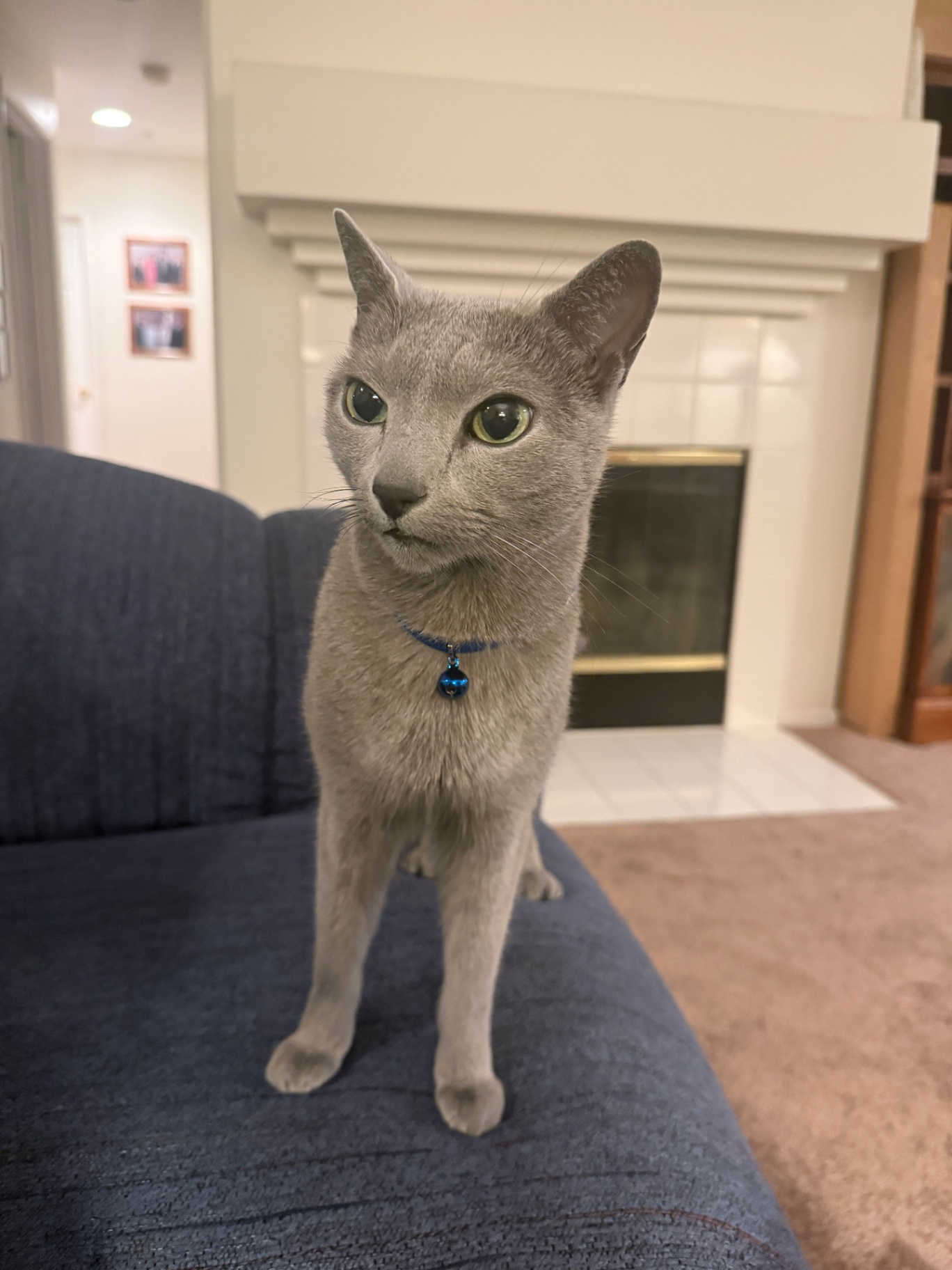
Keeping Your Cat Happy and Healthy
Taking care of a cat doesn't have to be complicated. By making these small shifts: moving to scheduled meals, keeping up with vet visits, and focusing on hydration: you are setting your cat up for a vibrant, happy life.
Remember, every cat is unique. What works for a high-energy kitten might not work for a dignified senior. Stay observant, keep things simple, and enjoy every purr! For more cat tips and to see what a healthy, happy cat looks like in action, follow Boris on his daily adventures.
