

Ever looked at your cat and wondered, "What on earth are you thinking?" One minute they are zooming across the room like they’ve seen a ghost, and the next they are staring at you with those giant, unblinking eyes.
Cats are basically tiny, furry enigmas. But here is the secret: they are actually talking to you all the time. They don't use words, but they use their tails, their ears, and even their paws to tell you exactly how they feel.
Understanding your cat’s behavior isn’t just about knowing when they want a snack (though let's be honest, that’s 90% of the time). It’s about building a better bond, improving their cat health, and becoming the best cat parent you can be.
Here are 5 simple steps to decode your cat’s most adorable (and sometimes weird) behaviors.
Step 1: Decode the "Tale" of the Tail
A cat’s tail is like a mood ring. It’s one of the most expressive parts of their body. If you want to master cat care, you have to start here.
The Upright Greeting
When your cat walks toward you with their tail held high and straight, maybe with a tiny little curl at the very tip, they are saying, "I’m happy to see you!" This is a sign of a confident, friendly cat. It’s basically the feline version of a warm "hello."
The Quiver
Have you ever seen their tail vibrate or quiver when you come home? That’s pure excitement. It usually happens when they are about to get their favorite treat or when their favorite human walks through the door. It’s one of the cutest cute cats behaviors you’ll see.
The Swish and Flick
On the flip side, if the tail is lashing back and forth or thumping against the floor, take a step back. This isn't happiness; it’s irritation. Your cat might be overstimulated or annoyed. If you see this while you’re petting them, it’s a sign to give them some space.

Step 2: Read the "Slow Blink" Love Letter
We often think that staring is a sign of affection, but in the cat world, a direct, unblinking stare is actually a bit aggressive. It’s a challenge.
But then there is the "Slow Blink."
If you catch your cat looking at you with soft eyes and they slowly close and open their eyelids, congratulations, they just told you they love you. In the wild, closing your eyes is a sign of vulnerability. By slow-blinking at you, your cat is saying they trust you completely.
Pro Cat Tip: Try blinking slowly back at them. It’s a great way to communicate in their language and show them that you’re a friend, not a threat. It’s a simple trick that goes a long way in cat bonding.
Step 3: Listen to the "Music" of Their Purr
We all know that purring means a cat is happy, right? Well, mostly.
Purring is a multifaceted tool in cat health. While cats definitely purr when they are relaxed and being pampered, they also purr to soothe themselves. Some cats purr when they are stressed or even when they are in pain because the vibration actually helps their bodies heal.
Chirps and Trills
If your cat makes a sound that's somewhere between a meow and a purr, that’s a "chirp" or a "trill." This is an upbeat greeting. Mother cats use it to tell their kittens to follow them, and your cat likely uses it to get your attention or to show you something exciting (like a moth on the ceiling).

Step 4: Understand Why They "Make Biscuits"
There is nothing quite as cute as a cat kneading a soft blanket (or your lap) with their paws. This behavior, often called "making biscuits," actually starts when they are tiny kittens.
Kittens knead their mothers to stimulate milk flow. When adult cats do it, it means they are feeling incredibly safe, comfortable, and content. It’s a huge compliment! If they are doing it on your lap, it means they see you as a source of comfort and security.
Just be careful: sometimes those "biscuits" come with claws! Keeping their nails trimmed is an essential part of cat grooming 101, and it’ll save your favorite sweater from a few snags.

Step 5: Putting It All Together (Context is Key)
To truly understand cute cats, you have to look at the whole picture. One single signal doesn’t tell the whole story.
For example, a cat lying on its back might look like they want a belly rub. Sometimes they do! But other times, exposing the belly is just a sign of trust, and touching it might result in a "bunny kick" (where they grab your hand and kick with their back legs).
How to tell the difference?
- The "Happy" Belly: Soft eyes, slow blinks, and a relaxed tail.
- The "Playful/Defensive" Belly: Dilated pupils, ears slightly back, and a twitching tail.
By paying attention to the combination of their tail, eyes, and sounds, you’ll start to see patterns. You’ll know when they are bored (and might need some new enrichment) versus when they are genuinely tired and just want a nap in the sun.
Why Understanding Behavior Matters
When you understand why your cat does what they do, you can provide better cat care. You’ll notice sooner if they are feeling under the weather (changes in behavior are often the first sign of health issues) and you’ll avoid the common mistakes many owners make, like forcing interaction when a cat needs space.
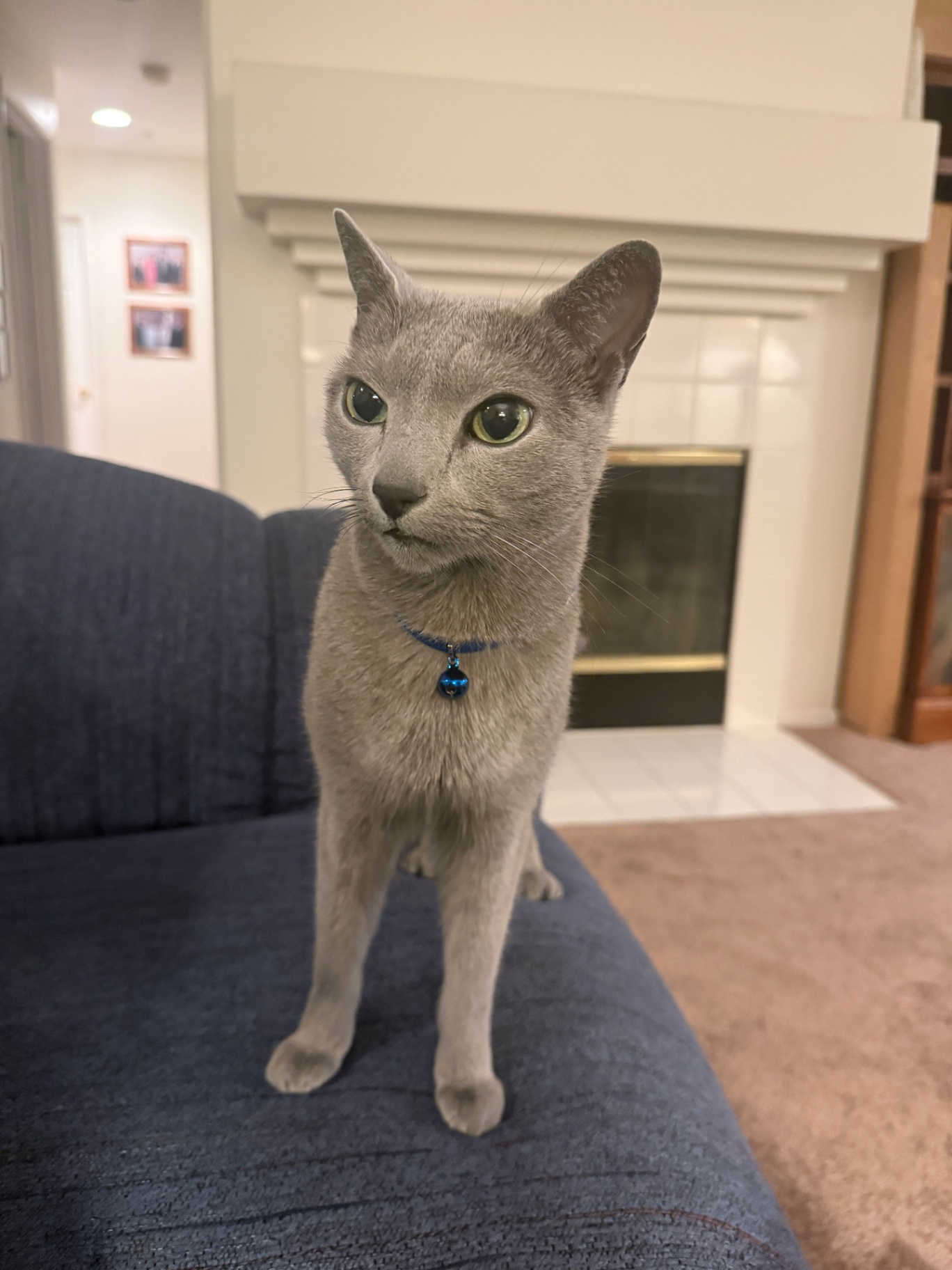
If you want to see more examples of these behaviors in action, you can follow Boris on Instagram for daily doses of cute cat content.
Summary of Quick Cat Tips:
- Tail Up: Friendly and happy.
- Slow Blink: A sign of love and trust.
- Kneading: Feeling safe and comforted.
- Ears Forward: Curious and engaged.
- Purring: Usually happy, but sometimes for self-healing.
Cats might not speak our language, but they are definitely communicating. The more you watch, the more you’ll realize that every "cute" thing they do is actually a little window into their heart.
Next in our series: Don't miss tomorrow's post: 7 Mistakes You're Making with Cat Health at 9am PT!