

If you’re a cat owner, you know that living with a feline is like living with a tiny, fluffy enigma. One minute they’re sleeping like an angel, and the next, they’re sprinting across the hallway at Mach 5 for no apparent reason. We call these moments “cute,” but behind every slow blink and every “biscuit-making” session, there is a complex world of instinct, communication, and cat health.
Understanding these behaviors isn't just about knowing why your cat is adorable; it’s about providing the best cat care possible. When you know what your cat is trying to say, you can build a deeper bond and ensure they live a long, happy life. In this ultimate guide, we’re going to break down the most common cute cats behaviors, offer some cat tips, and explain when a "cute" habit might actually be a sign that it’s time to check in on their health.
1. The Art of "Making Biscuits" (Kneading)

One of the most iconic and cute cats behaviors is kneading, often referred to as “making biscuits.” This is when a cat rhythmically pushes their paws in and out against a soft surface: like a blanket, a pillow, or your lap.
Why do they do it?
This behavior actually starts in kittenhood. Kittens knead their mothers to stimulate milk flow while nursing. In adult cats, this behavior carries over as a sign of extreme comfort and security. If your cat is making biscuits on you, it’s the ultimate compliment: it means they see you as a source of safety and love.
Cat Care Tip:
Keep those claws trimmed! While kneading is adorable, it can be a bit painful if your cat has long nails. Regular nail trims are a vital part of cat care to prevent accidental scratches to your skin or damage to your favorite blankets.
2. Slow Blinks: The "Kitty Kiss"
Have you ever caught your cat staring at you from across the room, only for them to slowly close and open their eyes? This is known as the "slow blink," and in the world of feline body language, it’s the equivalent of a kiss.
The Science of the Blink
In the wild, closing one’s eyes is a sign of vulnerability. By slow-blinking at you, your cat is saying, "I trust you enough to close my eyes in your presence." It’s a signal of peace and contentment.
Cat Tip:
You can actually communicate back! The next time your cat slow-blinks at you, try doing it back to them. It’s a simple, minimalist way to tell your cat that you love them and that they are safe in their environment.
3. Head Bunting and Rubbing
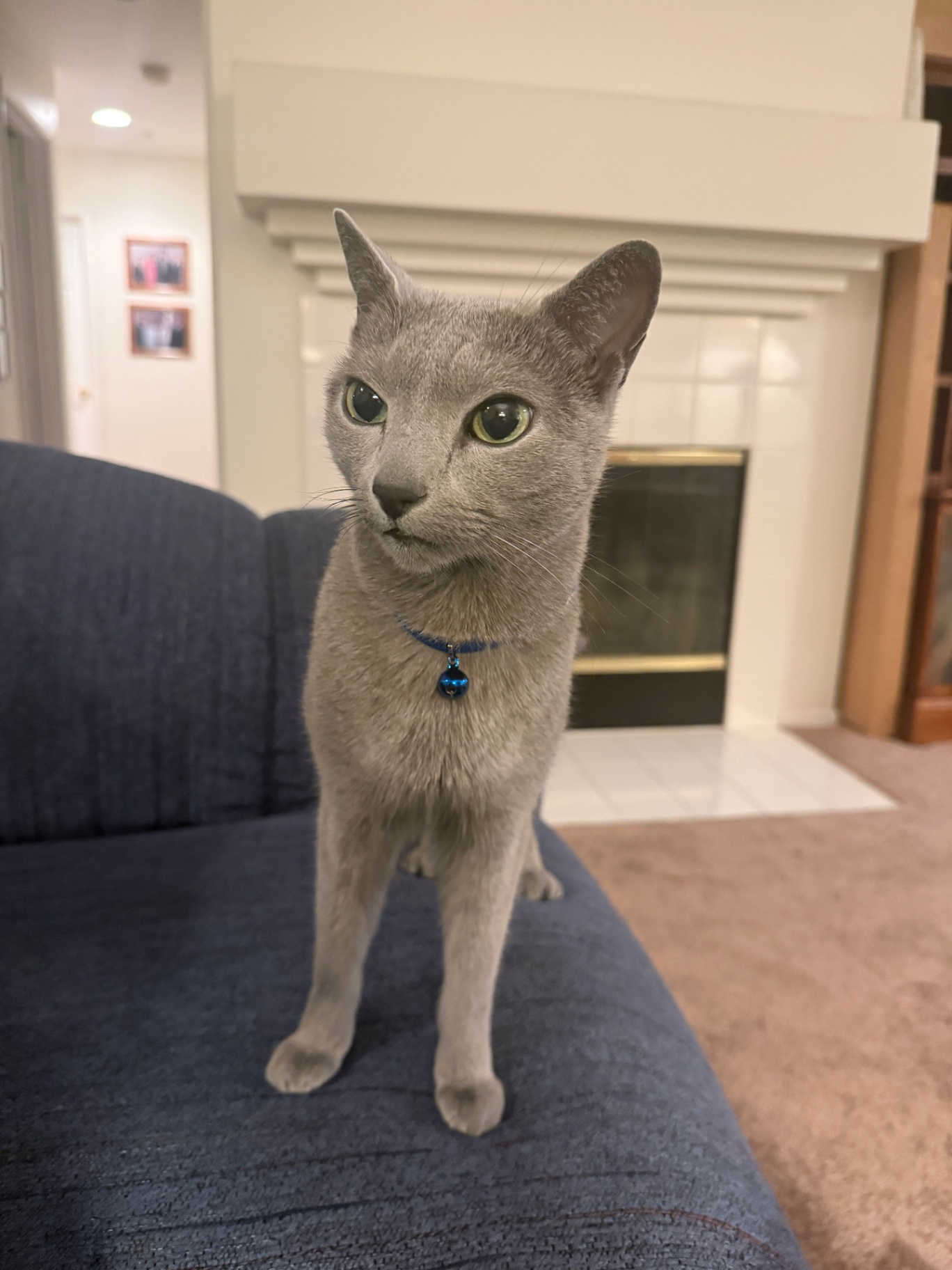
Does your cat walk up to you and aggressively head-butt your shin? Or maybe they rub their cheeks against your phone while you’re trying to type? This behavior is called "bunting."
Marking Their Territory
Cats have scent glands located in their cheeks, forehead, and chin. When they rub these areas against you, they are leaving behind pheromones. Essentially, they are "marking" you as part of their family and their safe territory. It’s a way of saying, "This human belongs to me."
Pro Tip for Bonding:
Let them do it! Bunting is a social bonding activity. If you want to dive deeper into seeing how these social interactions play out with famous felines, you can check out Boris’s daily adventures on Instagram to see how a happy cat interacts with his home.
4. The Midnight Zoomies (FRAPs)
We’ve all been there: it’s 11:00 PM, you’re just about to fall asleep, and suddenly it sounds like a herd of elephants is racing through your living room. These are the "zoomies," technically known as Frenetic Random Activity Periods (FRAPs).
Why the sudden energy?
Cats are natural hunters, and they often spend the day napping to conserve energy. If they haven’t had enough physical stimulation during the day, that pent-up energy has to go somewhere. The zoomies are a healthy way for your cat to burn off steam and practice their hunting maneuvers.
Cat Care Tip:
If the zoomies are keeping you up at night, try scheduled play sessions in the evening. Using wand toys or laser pointers can help satisfy their "hunting" instinct before you head to bed, leading to a quieter night for everyone.
5. Chirping and Chattering

If you’ve ever seen your cat sitting by a window staring at a bird, you’ve likely heard a strange chattering or chirping sound. It sounds almost like a bird itself!
The Hunter's Instinct
Scientists believe this sound is a mix of excitement and frustration. The cat is excited to see prey but frustrated that they can't reach it. Some experts also suggest the chattering jaw movement is a way of "mimicking" the killing bite they would use in the wild.
Cat Health Note:
While chattering is normal, ensure your windows are secure. A cat in the "hunting zone" might accidentally push against a screen or jump toward a window, so safety is a key part of your cat care routine.
6. The Love of Boxes
You buy an expensive, multi-level cat tree, and where does your cat go? Straight into the cardboard box it came in. This is one of the most classic cute cats behaviors, but it serves a very practical purpose.
Safety and Security
Boxes provide a confined, "safe" space where a cat cannot be sneaked up on from behind or the side. It reduces their stress levels significantly. In fact, studies have shown that shelter cats provided with boxes acclimate to their new environments much faster than those without.
7. When "Cute" Behaviors Are Actually Health Warnings
As a cat owner, it’s important to distinguish between quirky habits and potential cat health issues. Sometimes, a change in "cute" behavior is a red flag.
- Purring: While usually a sign of happiness, cats also purr when they are in pain or highly stressed as a way to self-soothe. If your cat is purring but also hiding or refusing food, it's time for a vet visit.
- Hiding: A cat that suddenly spends all day in a box or under the bed might be feeling unwell. Cats are masters at hiding pain.
- Excessive Grooming: Grooming is a sign of a clean cat, but if they start licking one spot until the fur is gone, it could be a sign of allergies or anxiety.
For more detailed information on medical signs, PetMD is an excellent resource for understanding the nuances of feline health.
8. Pro Tips for Success

To truly succeed in the world of cat care, you need to think like a cat. Here are a few minimalist tips for a happy home:
- Vertical Space: Cats love to be high up. Provide shelves or tall furniture where they can survey their kingdom.
- Scratching Posts: Scratching is a natural need. Place sturdy posts near their favorite sleeping spots.
- Fresh Water: Many cats prefer running water. Consider a cat fountain to encourage hydration and support cat health.
- Quiet Time: Respect your cat's boundaries. If they retreat to a hiding spot, let them be. They’ll come to you when they’re ready for affection.
Conclusion
Understanding your cat's behavior is the first step toward becoming a pro at cat care. Whether they are "making biscuits" on your favorite sweater or chirping at a squirrel, these actions are all part of their unique way of communicating with you. By paying attention to these small details, you can ensure your furry friend stays happy, healthy, and full of life.
Stay tuned for our next post in the series: "7 Mistakes You're Making with Cat Health," where we'll dive deeper into the essentials of keeping your kitty in tip-top shape!