

Cats sleep a lot, but that does not mean they are always content to do nothing. A cat can nap for hours and still need daily play, exploration, and mental stimulation.
Boredom is especially common for indoor cats who have limited space or spend long stretches alone. When your cat has no outlet for natural behaviors like stalking, climbing, scratching, and searching, boredom may show up as “bad” behavior.
The good news? You do not need a huge house or expensive equipment to make life more interesting. A few simple changes to your cat care routine can help.
8 signs your cat might be bored
Every cat has a different personality. Look for changes from your cat’s normal behavior rather than one isolated sign.
1. Your cat sleeps more than usual
Cats commonly sleep for 12 to 18 hours a day. However, a bored cat may sleep through times when they normally explore, play, or follow you around.
For example, your cat may stop greeting you at the door, ignore their favorite toy, or spend nearly the entire day in one spot.
Extra sleep can also be a sign of illness. If your cat suddenly seems unusually tired, schedule a veterinary checkup before assuming boredom is the cause.
2. Your cat meows for attention
Repeated meowing, howling, or following you from room to room can mean your cat wants something to do.
Some cats become especially vocal at night. They may wake you up, paw at your bedroom door, or demand food even though they have already eaten.
Try adding a short play session before bedtime. A routine that includes play, a meal, and quiet time can help your cat settle.
3. Your cat overgrooms
Grooming is normal cat behavior. But constant licking, chewing, or pulling at the fur may point to boredom, stress, allergies, parasites, or another health problem.
Watch for:
- Bald or thinning patches
- Red or irritated skin
- Sores
- More hairballs than usual
- Grooming one area repeatedly
If you notice these changes, contact your veterinarian. Good cat health starts with ruling out medical causes.
4. Your cat scratches or chews everything
Scratching is a natural behavior. It helps cats stretch, mark their space, and maintain their claws. The problem is not that your cat scratches: it is that they may not have an appropriate place to do it.
A bored cat may also chew cords, pull at carpet, knock objects off shelves, or shred curtains to create excitement.
Place scratching posts near your cat’s favorite sleeping spots and beside furniture they already scratch. Choose both vertical and horizontal options to see which your cat prefers.
5. Your cat is always asking for food
Some cats eat because they are hungry. Others eat because the food bowl is the most interesting thing in the room.
Boredom can lead to begging, overeating, fast eating, or weight gain. Since excess weight can affect mobility and long-term cat health, avoid solving boredom with extra treats.
Instead, use part of your cat’s normal daily food in a puzzle feeder or hide small portions around a safe room. Your cat gets a job to do without getting extra calories.
6. Your cat has frequent zoomies
The occasional burst of running is normal and often adorable. But frequent zoomies, pacing, tail-chasing, or restless wandering may mean your cat has energy with nowhere to put it.
A short, active play session can help. Drag a wand toy across the floor, pause behind a chair, and let your cat stalk before pouncing. Try to end the game with a successful “catch.”
7. Your cat ambushes people or other pets
Does your cat attack ankles as you walk by? Do they pester another pet, hide behind furniture, and leap out at anyone passing?
This kind of rough play can happen when a cat needs more hunting-style activity. It does not necessarily mean your cat is aggressive or unhappy with you.
Give them a safer outlet with wand toys, small toss toys, or a kicker toy. Avoid using your hands as toys, since this can teach your cat that biting and scratching people is part of play.
8. Your cat ignores every toy
Toy fatigue is real. If the same toys stay on the floor every day, they may stop feeling interesting.
A cat who once played but now walks away from everything may be bored, overstimulated, uncomfortable, or unwell. Try changing the movement, texture, sound, or play location.
Keep only a few toys available and store the rest. Rotate them every few days so old toys feel new again.
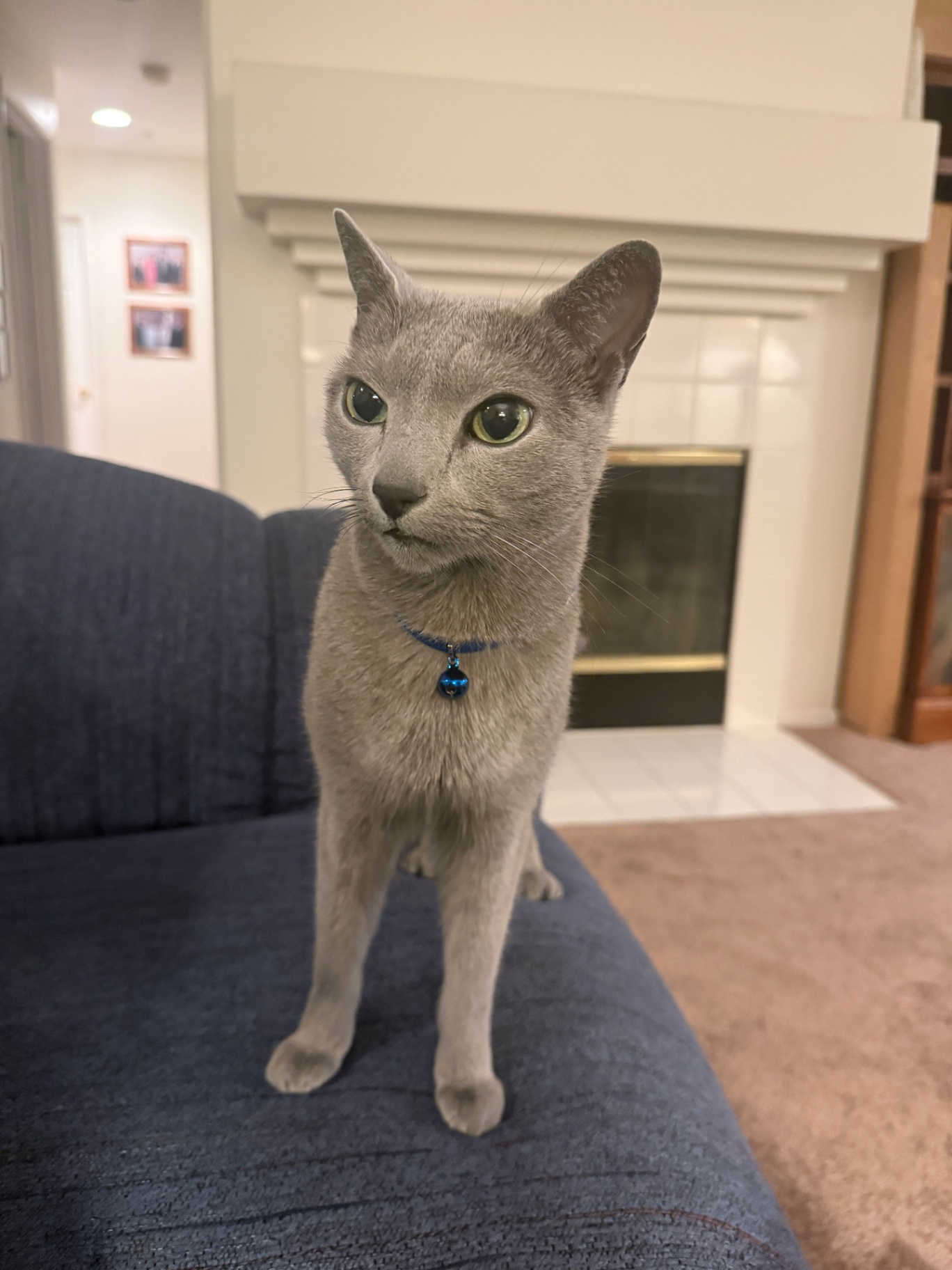
Easy cat tips to beat boredom
Once you know what to look for, fixing boredom can be simple. Start with one or two changes rather than redesigning your entire home.
Create a short daily play routine
Most cats prefer short, frequent sessions over one long workout. Try:
- Five to ten minutes in the morning
- Five to ten minutes in the late afternoon
- Five to ten minutes before dinner or bedtime
Use a toy that encourages your cat to stalk, chase, pounce, and catch. Move it like prey instead of waving it constantly in your cat’s face.
A simple example:
- Drag the toy slowly along the floor.
- Hide it behind a box or chair.
- Let your cat watch and wait.
- Move it away so your cat can chase.
- Let your cat catch it at the end.
This routine supports exercise, mental stimulation, and a healthy bond between you and your cat.
Rotate toys instead of buying more
You do not need a basket full of expensive toys. A small selection with different purposes is enough:
- Wand or feather toys for interactive play
- Kicker toys for wrestling and bunny kicks
- Lightweight balls for chasing
- Crinkle toys for sound and texture
- Puzzle feeders for mental work
Put most toys away and bring out a different group every few days. Always supervise toys with strings, loose parts, or feathers, and store them safely after play.
Add vertical space
Cats enjoy being up high because elevated spaces provide safety, exercise, and a better view of their surroundings.
Try adding:
- A stable cat tree
- A window perch
- Wall-mounted shelves
- A cleared section on a sturdy bookcase
- A blanket-covered chair near a window
Make sure anything your cat climbs is secure. Keep perches away from unsafe windows, hot surfaces, and unstable furniture.
Give your cat places to hide
A cardboard box can be excellent enrichment. Add a paper bag with the handles removed, a tunnel, or a cozy covered bed.
Hiding spaces allow cats to rest, observe, and feel secure. Place one in a quiet area and another near a busy part of the home so your cat can choose between privacy and activity.
Turn meals into a hunting game
Instead of serving every meal in one bowl, make some meals more interactive.
You can:
- Use a puzzle feeder
- Hide a few pieces of kibble in safe locations
- Place food in several small bowls around the home
- Put treats inside a paper egg carton
- Use a treat ball that rolls across the floor
Use food from your cat’s normal daily portion to avoid overfeeding. Introduce new feeding methods slowly, especially if your cat is nervous or easily frustrated.
For more enrichment ideas, see the Cats Protection guide to feeding puzzles.

Make the window more interesting
A safe window view can provide hours of entertainment. Move a perch near a window where your cat can watch birds, people, leaves, or passing cars.
Keep windows securely screened. If you use a bird feeder, place it where your cat can watch safely without having direct access to wildlife.
You can also offer new smells by bringing in safe items from outside, such as a clean cardboard box or a small amount of cat-safe grass. Check any plants carefully before bringing them indoors.
Try simple training
Cats can learn more than many people expect. Reward-based training gives your cat mental exercise and positive attention.
Start with easy behaviors such as:
- Touching your hand with their nose
- Sitting
- Coming when called
- Entering a carrier
- Targeting a toy or stick
Keep sessions short: one to three minutes: and reward progress. Never punish your cat for losing interest. End while the activity is still fun.
Spend quiet time together
Not every cat wants constant petting or energetic play. Some cats prefer sitting near you, watching you work, or receiving a gentle brushing session.
Let your cat choose the level of contact. Quiet companionship is still meaningful enrichment, especially when combined with play and exploration.
A simple boredom checklist
Use this quick checklist once a week:
- Has my cat’s energy changed?
- Have we played together today?
- Does my cat have a safe scratching surface?
- Can my cat climb or observe from a higher spot?
- Are there fresh toys or activities available?
- Can my cat hide somewhere quiet?
- Have I offered a puzzle feeder or food-search game?
- Am I seeing changes in appetite, grooming, weight, or litter box habits?
If several boxes are unchecked, add one small enrichment activity today.
When to call the veterinarian
Boredom can look similar to pain, anxiety, or illness. Contact your veterinarian if your cat has a sudden change in behavior, appetite, weight, grooming, energy, or litter box habits.
It is also important to seek help if your cat hides more than usual, develops sores, vomits, has diarrhea, stops eating, or becomes unusually aggressive. If your cat does not improve after you add enrichment, a veterinary visit can help identify the real cause.
For additional behavior and health guidance, visit the Cats Protection cat advice hub.
The one thing to remember
A happy cat does not need constant entertainment: just regular chances to play, explore, climb, scratch, search, and connect with you. Start with one short play session and one small environment change today, then build a simple routine your cat enjoys.