

You finally get comfortable. The house is quiet. Then your cat starts meowing.
A little “mrrp” can be adorable. A long, dramatic yowl at 3 a.m.? Not so much.
So, why do cats meow at night? Usually, your cat is trying to communicate. They may be hungry, bored, lonely, restless, or simply following their natural schedule. Sometimes, nighttime vocalizing can also point to a health issue.
The good news: with a few thoughtful cat care changes, many cats: and their people: can sleep more peacefully.
Quick takeaway: Check your cat’s basic needs first. If the nighttime meowing is new, intense, or paired with other symptoms, call your veterinarian before treating it as a behavior problem.
Are cats nocturnal?
Not exactly.
Cats are usually crepuscular, which means they are naturally most active around dawn and dusk. These are the hours when their wild ancestors would hunt. Many house cats adjust to their family’s schedule, but their built-in “sunrise and sunset energy burst” can still show up at night.
Kittens and young adult cats often have extra energy. A cat that naps all day may wake up ready to explore, play, and chat while you are trying to sleep.
That does not mean your cute cat is being difficult on purpose. Their internal clock may simply need a little help lining up with yours.

7 common reasons cats meow at night
1. Your cat is hungry
A long stretch between dinner and breakfast can lead to pre-dawn meowing. Some cats also learn that waking up their person results in an early meal.
If your adorable cat meows at 5 a.m. and you immediately serve breakfast, they may connect the dots:
Meow → human wakes up → food appears.
This can quickly become a routine.
Try feeding smaller meals at consistent times. A veterinarian-approved snack or timed feeder near bedtime may also help, especially if hunger is the main trigger. Keep your cat’s total daily food amount in mind so the extra meal does not lead to weight gain.
2. Your cat wants attention
Cats may meow because they want petting, conversation, play, or access to your bedroom.
Even negative attention can reinforce the behavior. Talking, getting out of bed, or saying “Stop!” may teach your cat that nighttime meowing works.
Some cats are also naturally more vocal. A chatty cat may be greeting you, asking for company, or simply sharing their opinion about the dark hallway.
3. They are bored or full of energy
A cat that sleeps most of the day may be ready for action at bedtime. This is especially common in indoor cats without enough play, climbing, scratching, or problem-solving activities.
A bored cat may meow, walk around the home, knock items over, or bring you a toy. In other words, nighttime noise may be your cat’s way of saying, “What are we doing now?”
Build more activity into the day. Try:
- Two or three short interactive play sessions
- A wand toy game before bed
- Puzzle feeders or treat toys
- A window perch
- Scratching posts and climbing spaces
- Rotating toys instead of leaving every toy out at once
Aim for a play session that feels like hunting: stalk, chase, pounce, then “catch.”
4. Something in the environment is bothering them
Cats notice small changes. A new piece of furniture, outdoor animals near a window, loud plumbing, a noisy appliance, or a closed door can trigger nighttime vocalizing.
Your cat may also be calling because they cannot reach something they need, such as:
- A clean litter box
- Fresh water
- A comfortable sleeping spot
- A favorite family member
- A safe hiding place
Before bed, do a quick home check. Clean the litter box, refresh the water, and make sure your cat can safely reach their preferred areas.
If outdoor cats are visiting the window, closing the blinds may help. A dim night-light can be comforting for senior cats or cats with vision changes.

5. Your cat is stressed or lonely
Moving homes, welcoming a new pet, changing work hours, or spending more time away can affect a cat’s behavior. Some cats meow at night because the house feels different: or because they miss their person.
Create a predictable evening routine. For example:
- Quiet play
- Dinner
- Litter box check
- Calm affection
- Lights out
Consistency can make nighttime feel safer. If your cat is anxious, give them a cozy retreat with familiar bedding and easy access to food, water, and the litter box.
6. Your cat is looking for a mate
Unspayed female cats may yowl loudly when they are in heat. Unneutered males may also vocalize, pace, or try to get outside if they smell or hear a female nearby.
This type of yowling can sound more intense than a normal meow. Spaying or neutering is the most effective long-term solution for hormone-driven calling. Talk with your veterinarian about the right timing for your cat.
7. Your cat may not feel well
Nighttime meowing is sometimes a sign of pain, illness, or confusion. This is especially important if the behavior is new or suddenly much worse.
Health concerns that can lead to increased vocalizing include dental pain, arthritis, urinary problems, kidney disease, high blood pressure, hyperthyroidism, vision or hearing loss, and age-related cognitive changes.
Senior cats may become disoriented at night. They might wander, stare at walls, get stuck in corners, or cry as if they cannot find their way.
For more background, the ASPCA guide to meowing and yowling and PetMD’s veterinary-reviewed overview of excessive meowing offer helpful guidance.
When should you call the vet?
Schedule a veterinary appointment if your cat’s meowing is:
- New, sudden, or becoming more frequent
- Paired with weight loss or a change in appetite
- Combined with increased thirst or urination
- Happening near or inside the litter box
- Associated with limping, hiding, or difficulty jumping
- Accompanied by confusion or changes in eyesight
- Different in tone, such as suddenly hoarse
- Especially common in an older cat
Seek urgent veterinary care if your cat is straining to urinate, crying in obvious pain, open-mouth panting, collapsing, or having trouble breathing.
It is always better to check than to assume your cat is simply being demanding. Good cat health comes first.
How to gently reduce nighttime meowing
Once your cat’s basic needs and health have been checked, try this simple plan.
1. Add evening play
About 30 to 60 minutes before bed, offer 10 to 20 minutes of interactive play. Let your cat chase, pounce, and “win” the toy at the end.
Follow play with a meal if that fits your cat’s feeding plan. This creates a natural rhythm: hunt, eat, groom, sleep.
2. Use a predictable feeding schedule
Avoid making breakfast depend on meowing. A timed feeder can be useful for early-morning hunger because your cat learns to wait for the feeder: not wake you.
If your cat is overweight, dieting, or has a medical condition, ask your veterinarian before changing meal timing or adding food.
3. Reward quiet moments
Do not punish your cat for meowing. Yelling, spraying water, or startling them can increase fear and stress.
Instead, wait for a brief quiet pause, then offer attention during the day. You can also reward calm behavior before bedtime with gentle affection or a small approved treat.
4. Stay consistent
Behavior often gets louder before it improves. If you respond sometimes but not others, your cat may try even harder because occasional rewards make a habit very persistent.
After checking that your cat is safe and comfortable, keep nighttime responses boring and brief. Avoid play, food, and long conversations during attention-seeking episodes.
Consistency is one of the most useful cat tips for changing a learned routine.
5. Make the night comfortable
Set up a quiet sleep area with:
- A soft bed
- Fresh water
- A clean litter box
- A scratching post
- A safe toy or puzzle feeder
- A low night-light, if needed
Keep small toys without strings or loose parts available overnight. Put away wand toys and anything your cat could chew or swallow without supervision.
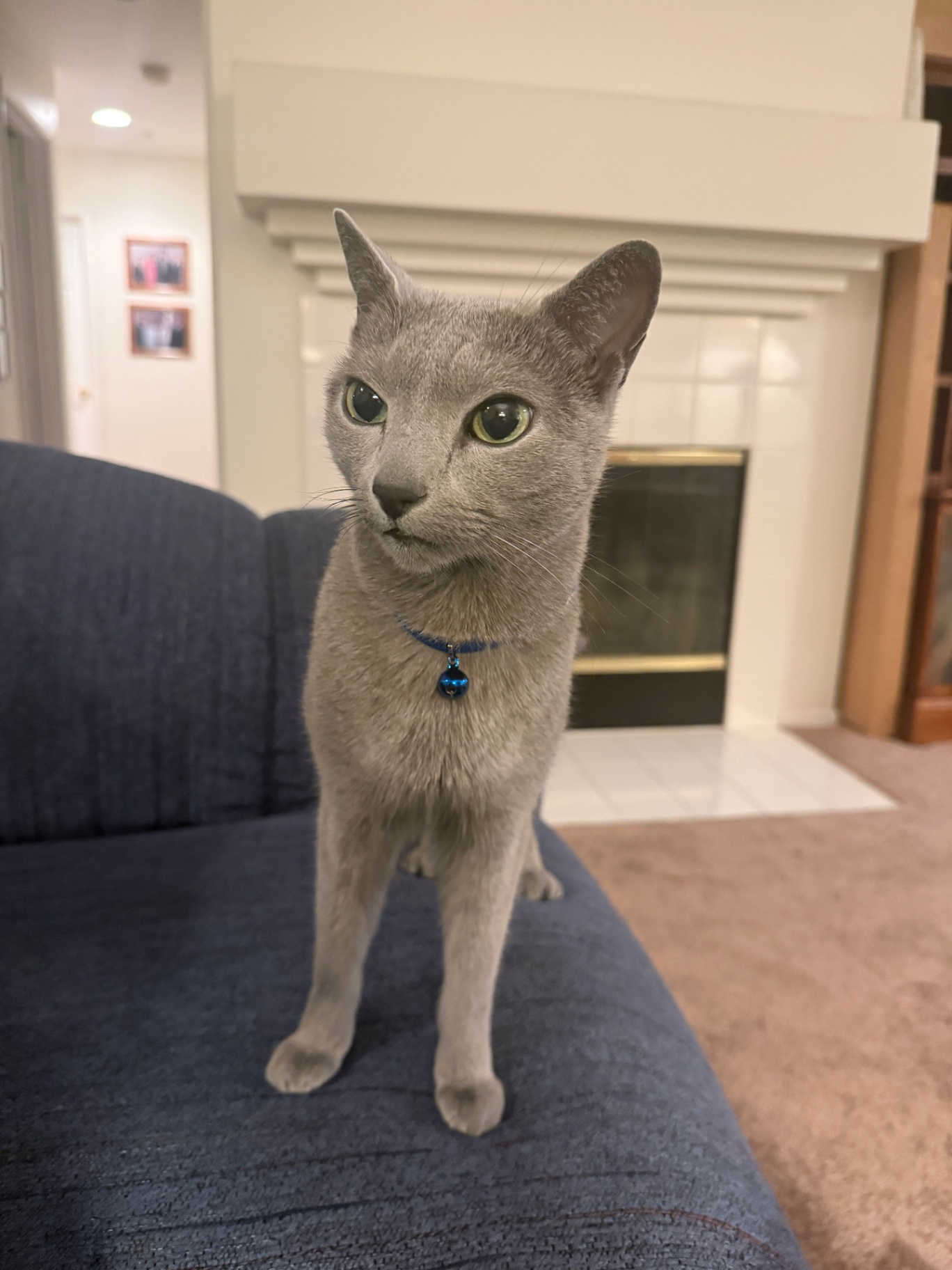
A typical nighttime example
Imagine a cat named Olive who starts meowing at 4 a.m. Her family gives her breakfast whenever she wakes them. During the day, Olive sleeps for long stretches and has little evening play.
Her family could begin by checking her health with a vet, then move breakfast to a timed feeder, add an evening chase game, and keep the bedroom response neutral. After a few consistent weeks, Olive may learn that nighttime is for resting and the feeder: not for summoning the humans.
Every cat is different, but the pattern is common: find the reason, meet the need, then gently change the routine.
The bottom line
Cats meow at night because they are communicating. Sometimes the reason is simple: hunger, boredom, attention, or a natural burst of energy. Other times, nighttime vocalizing is your cat’s way of telling you they feel stressed, confused, or unwell.
Start with calm detective work. Check food, water, litter, comfort, and stimulation. Add evening play and a steady routine. Never punish your cat for talking.
And if the meowing is sudden, severe, or paired with other changes, contact your veterinarian. The best cat care plan protects both peaceful sleep and your cat’s well-being.
For more cute cat behavior, everyday cat tips, and simple ways to understand your companion, visit Boris on Instagram.