

Fall is cozy, but it also brings a few changes that can affect your cat’s health. The air gets drier, the days get shorter, and indoor cats may spend even more time sleeping.
Most fall cat care is simple. A few small habits can help your cat stay comfortable, active, and healthy all season.
Here are seven common mistakes to watch for, plus easy fixes you can start today.
1. You stop flea and parasite prevention
The mistake: You assume indoor cats do not need parasite protection once summer ends.
Real-life example: Your cat never goes outside, so you skip the October dose of flea prevention. A few weeks later, you notice tiny black specks in their fur. Fleas may have come inside on shoes, clothing, or another pet.
Indoor cats can still be exposed to fleas and other parasites. Fall does not automatically make them disappear, and warm homes can allow flea problems to continue through winter.
Easy fix: Ask your veterinarian which parasite prevention plan fits your cat. Use only products made for cats, and follow the timing on the label or your vet’s instructions.
If your cat spends time outdoors, check their paws and fur after walks or outdoor play. Be extra careful around leaf piles and tall grass, where pests may hide.
2. You forget that dry air affects the skin and coat
The mistake: You treat scratching or flaky skin as “just shedding.”
Real-life example: The heat comes on, and your cat starts scratching more. Their coat looks dull, and you see a little dry skin when you pet them.
Indoor heating can make the air dry. Seasonal pollen, dust, and mold can also cause itching or sneezing. A change in your cat’s coat can sometimes point to a bigger health issue.

Easy fix: Brush your cat two or three times a week during seasonal shedding. Long-haired cats may need brushing every day to prevent mats.
While brushing, check for:
- Red or sore skin
- Bald spots
- Fleas or flea dirt
- Lumps or bumps
- Mats behind the ears, legs, or tail
Keep brushing sessions short and gentle. A few minutes with a treat afterward can make cat grooming feel more like a reward than a chore.
If itching, coughing, sneezing, or skin irritation continues, call your veterinarian. Do not use human creams, essential oils, or allergy medicine unless your vet says it is safe.
3. You let your cat drink from an old, dirty bowl
The mistake: You refill the water but rarely wash the bowl.
Real-life example: You top off the same water bowl for several days. It looks clean, but the inside feels slimy. Your cat drinks less and starts showing more interest in the sink.
Cats can be picky about water. A dirty bowl, stale water, or a bowl placed beside food may make them drink less. Good hydration supports overall cat health and is especially important for cats that eat mostly dry food.
Easy fix: Replace your cat’s water with fresh water every day. Wash the bowl regularly with warm, soapy water, and rinse it well.
Try offering water in more than one place. Some cats prefer a wide, shallow bowl, while others like a fountain. Keep water away from the litter box and refresh it whenever you notice fur, dust, or food in it.
If your cat suddenly drinks much more or much less than usual, contact your veterinarian. A change in drinking can be an early sign of illness.
4. You ignore small changes in litter box habits
The mistake: You clean the box but do not pay attention to what is inside it.
Real-life example: Your cat visits the litter box more often, but you assume they are being fussy. Then you notice they are straining or producing very little urine.
The litter box is one of the easiest places to spot changes in your cat’s health. Changes in urine, stool, or bathroom habits can be important.
Easy fix: Scoop at least once a day. Keep the box in a quiet, easy-to-reach area away from cold drafts and loud appliances.
Watch for:
- Straining or crying in the box
- Repeated trips with little or no urine
- Blood in urine or stool
- Diarrhea or hard, dry stool
- A sudden change in how often your cat goes
- Going outside the box
Repeated attempts to urinate with little or no urine can be an emergency, especially in male cats. Contact a veterinarian right away if you see this.
For everyday litter box comfort, keep one box per cat, plus one extra when possible. Many cats prefer unscented litter and a box that is large enough to turn around in comfortably.

5. You let colder weather stop playtime
The mistake: You assume your cat gets enough exercise because they have toys around the house.
Real-life example: Your cat sleeps most of the day once the weather cools down. Their food stays the same, but their activity drops. After a few months, they have gained weight.
A bowl full of toys is not the same as active play. Cats often need you to make the toy move, hide it, or turn it into a game.
Easy fix: Aim for 15 to 20 minutes of interactive play each day. You can split it into two 10-minute sessions, such as 10 minutes in the morning and 10 minutes at night.
Try:
- A wand toy that moves like prey
- A toy mouse tossed down a hallway
- A puzzle feeder
- A cardboard box or paper bag
- A cat tree near a safe window
Measure your cat’s food instead of pouring by guesswork. Keep treats to about 10% or less of their daily calories, unless your veterinarian recommends something different.
Weigh your cat once a week or every other week. Small changes are easier to manage when you notice them early.
6. You bring fall decorations and foods within reach
The mistake: You assume seasonal items are harmless because they are only out for a short time.
Real-life example: A curious cat chews on a decorative plant, licks pumpkin pie from a plate, or plays with a string from a fall decoration.
Some seasonal foods and decorations can be dangerous for cats. Keep chocolate, grapes, raisins, onions, garlic, chives, alcohol, and foods containing xylitol away from your cat. Turkey bones and fatty table scraps can also cause problems.
Easy fix: Give guests a simple rule: no table scraps unless you approve them first.
If you want to offer a seasonal treat, ask your veterinarian first. A small amount of plain, cooked pumpkin may be appropriate for some cats, but pumpkin pie filling and pumpkin spice desserts are not the same thing.
Also check new plants before bringing them inside. Keep candles, essential oils, electrical cords, ribbons, and string decorations out of reach. Flameless candles are a safer choice in homes with curious cats.
If you think your cat ate something toxic, contact your veterinarian or an emergency animal hospital immediately. You can also contact the ASPCA Animal Poison Control Center.
7. You wait for obvious symptoms before calling the vet
The mistake: You wait until your cat looks very sick.
Real-life example: Your cat eats a little less for several days and hides more often. You assume they are having an off week. By the time they stop eating completely, the problem may be harder to treat.
Cats are experts at hiding discomfort. Small changes in behavior can matter, especially when they last more than a day or two.
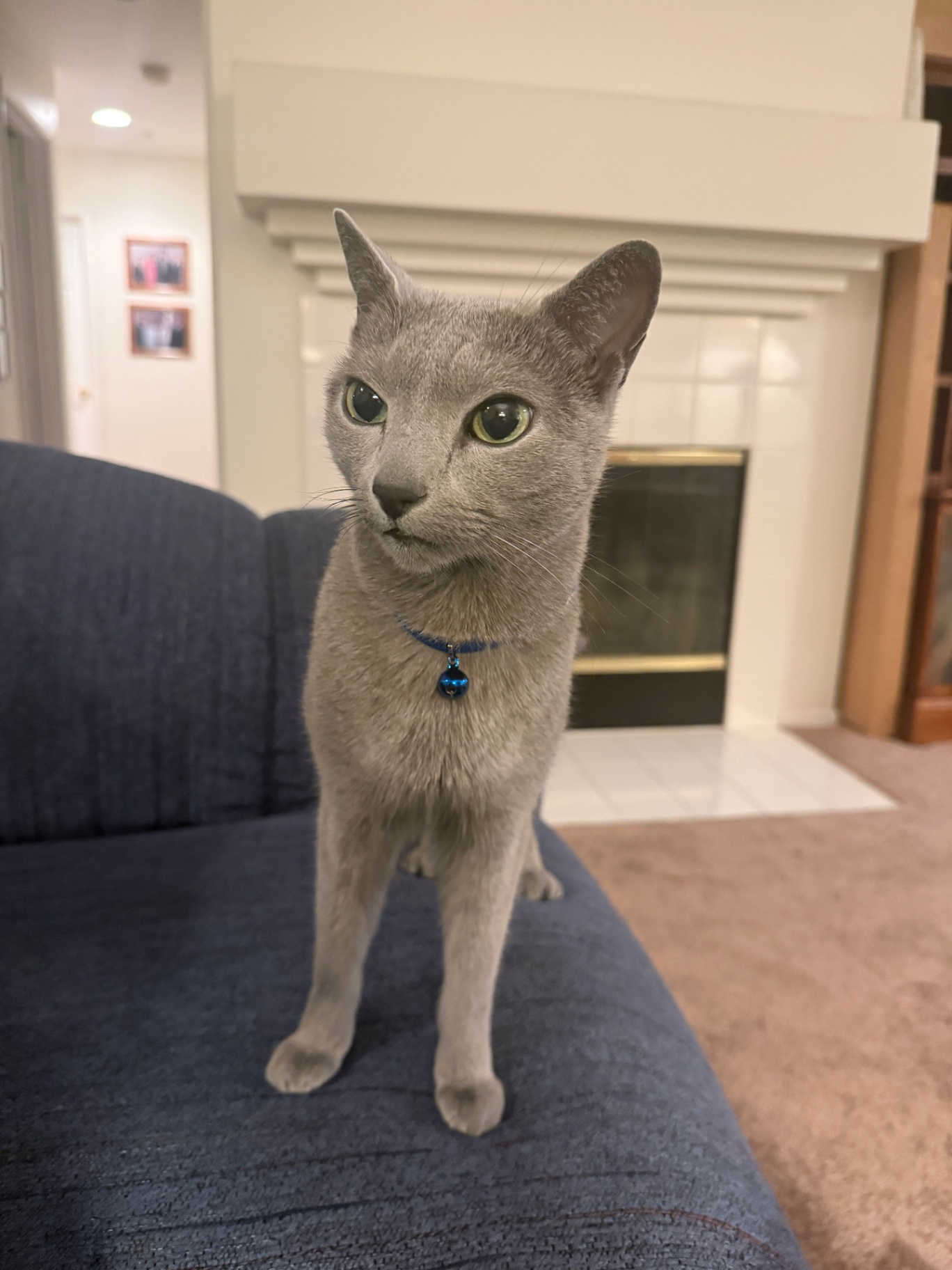
Easy fix: Keep an eye on your cat’s normal routine. Call your veterinarian if you notice ongoing changes in:
- Appetite or water intake
- Weight
- Energy
- Grooming
- Breathing
- Sleeping
- Bathroom habits
- Social behavior
Most cats need a veterinary checkup at least once a year. Older cats may benefit from visits twice a year. Use the fall as a reminder to check on vaccines, dental care, parasite prevention, and any recommended testing.
Seek urgent care for trouble breathing, collapse, uncontrolled bleeding, suspected poisoning, or repeated attempts to urinate without producing urine. You can review more emergency warning signs in this guide from VCA Animal Hospitals.
Easy fall cat health checklist
- Brush your cat two or three times a week.
- Wash water bowls and refill them with fresh water daily.
- Scoop the litter box at least once a day.
- Keep parasite prevention on schedule.
- Play actively for 15 to 20 minutes each day.
- Measure food and watch for weight changes.
- Keep toxic foods, plants, cords, and decorations out of reach.
- Call the vet about changes that last more than a day or two.
- Make a warm, quiet resting spot away from drafts.
Fall cat care does not need to be complicated. A clean litter box, fresh water, regular play, gentle grooming, and a little daily attention can go a long way.
And honestly, your cat will probably reward all that hard work by curling up in the one spot you were planning to sit.