

If your cat walks up, leans in, and sniffs your face, you may wonder what is going on. Is your cat checking your breath? Asking for food? Or simply being curious?
Usually, face sniffing is a normal and friendly part of cat behavior. Cats use scent to understand their surroundings, recognize familiar people, and communicate. A gentle sniff may also turn into a nose-boop, head bump, or cheek rub.
In other words, your cat may be saying, “Hello. I know you. You are part of my safe place.”
Why do cats sniff your face?
1. Your face has a familiar scent
Cats experience the world through their noses as much as through their eyes. Your face, hair, breath, and skin all have individual scents that your cat learns to recognize.
A cat may sniff you when:
- You come home from somewhere new
- You have used a different soap, shampoo, or perfume
- You have eaten something interesting
- You have been around another animal
- Your usual routine has changed
The sniff helps your cat gather information. It is similar to how cats sniff a new object before deciding whether it is safe.
For example, your cat may greet you at the door, sniff your shoes, and then move toward your face. Your cat is taking in the complete “scent report” of your day.
2. Your cat is greeting you
Cats often greet trusted people with close contact. A brief face sniff can be your cat’s version of a friendly hello.
Some cats approach slowly, sniff your nose, and walk away. Others follow the sniff with a soft head bump or cheek rub. These behaviors are often signs that your cat feels comfortable around you.
A relaxed body, forward or neutral ears, soft eyes, and a calm tail are good signs. Your cat may also purr or give you a slow blink.
This is one of the reasons cute cats can feel so expressive. They may not use words, but their small greetings can say a lot.
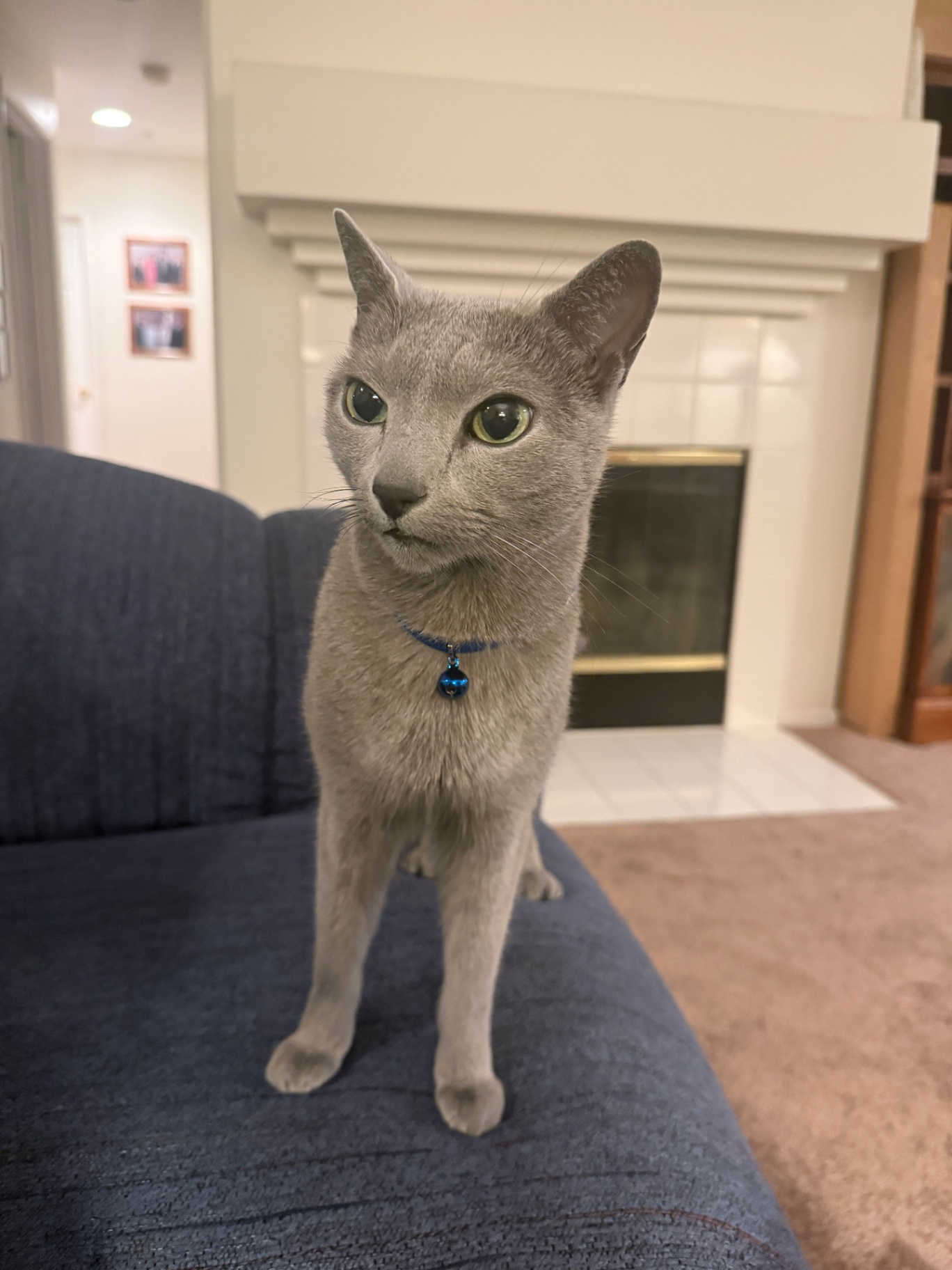
3. Face rubbing helps create a shared scent
Cats have scent glands around their cheeks, forehead, chin, and other parts of the head. When your cat rubs against you, they leave behind some of their scent.
This is called scent marking, but it is not always about claiming territory in an aggressive way. Friendly face rubbing can help your cat make you smell familiar. It can also create a shared household scent that feels reassuring.
When a cat gently bumps your forehead or rubs their cheek against your face, they may be including you in their social group.
Veterinary behavior resources, including PetMD’s explanation of cat headbutting, describe head bunting as a normal behavior associated with social bonding, scent marking, and greeting.
4. Your cat may want attention
Cats quickly learn which behaviors get a response. If face sniffing leads to petting, conversation, play, or breakfast, your cat may repeat it.
A cat that sniffs your face and then looks toward the kitchen may be asking for food. A cat that boops you before sitting beside a toy may be asking to play. A cat that sniffs your face while you are in bed may simply want you to wake up.
Pay attention to what happens next. Your cat’s follow-up behavior often provides the clue.
- Sniff, then sit by the food bowl: probably hungry
- Sniff, then bring a toy: probably ready to play
- Sniff, then curl up beside you: probably seeking comfort
- Sniff, then walk to the door: possibly asking for access or attention
What does a nose-boop mean?
A nose-boop is usually a gentle, low-pressure greeting. Cats may touch noses with familiar cats, and some extend this behavior to humans.
Your cat may offer a nose-boop when they are curious but relaxed. It is a polite way to make contact without committing to a full cuddle session.
You can respond by holding still and letting your cat choose the distance. Some cats enjoy a gentle touch on the cheek afterward. Others prefer a slow blink or a soft greeting in your voice.
The best cat care tip here is simple: let your cat lead.
Do not move quickly toward your cat’s face or force a nose-to-nose greeting. Even friendly cats can feel uncomfortable if their personal space is rushed.

Why do cats head-bump you?
A gentle head bump, sometimes called head bunting, is different from a cat pressing their head firmly against a wall or object.
Normal head bunting is usually:
- Brief and gentle
- Part of a greeting or interaction
- Combined with cheek rubbing or body rubbing
- Seen with relaxed body language
- Followed by normal movement
Head bunting can mean affection, trust, familiarity, or a request for attention. It may also help your cat feel secure by spreading familiar scent.
You can learn more about this behavior in Purina’s guide to why cats headbutt people.
Is it safe to let your cat sniff your face?
For most healthy adults, allowing a healthy cat to sniff your face is generally fine. Still, a few simple boundaries are helpful.
Try these cat tips:
- Keep your face still. Sudden movement can startle your cat.
- Let your cat approach first. Do not chase or corner them for a greeting.
- Avoid forcing contact. A cat that turns away is asking for space.
- Be careful around eyes and open wounds. Do not encourage licking near cuts or irritated skin.
- Supervise young children. Children should learn to wait for the cat to come closer.
- Wash your hands after handling food or medication. Interesting smells may encourage extra sniffing.
If your cat does not like face contact, that is perfectly normal. You can build trust through play, gentle petting, treats, and calm time together instead.
What if my cat makes a funny face after sniffing?
Sometimes a cat sniffs and then opens their mouth slightly, lifts their lip, or pauses with a very serious expression. This may be the flehmen response.
The flehmen response helps cats process certain smells and chemical signals through a specialized scent organ in the roof of the mouth. It can look like your cat is shocked by your breath, but they are usually just analyzing an interesting scent.
You may see this after your cat smells:
- Another animal
- Outdoor clothing
- A new object
- Food
- Certain household scents
It is generally normal if your cat otherwise seems comfortable and healthy.

When should you be concerned?
Face sniffing is usually harmless when your cat is relaxed and acting normally. A sudden change deserves more attention, especially if other symptoms appear.
Contact your veterinarian if intense or repetitive face sniffing happens along with:
- Sneezing or nasal discharge
- Noisy, difficult, or open-mouth breathing
- Drooling or signs of mouth pain
- Appetite or weight changes
- Hiding, lethargy, or unusual irritability
- Pacing, agitation, or confusion
- A major change in social behavior
Also, know the difference between a gentle head bump and head pressing. Head pressing is when a cat persistently pushes their head against a wall, floor, or solid object while seeming disoriented or unwell. This is not the same as friendly bunting and should be treated as a veterinary concern.
For any behavior that seems sudden, intense, or unusual for your cat, record a short video and share it with your veterinarian. Changes in behavior can sometimes be an early clue about cat health.
Quick takeaways
- Cats sniff your face to gather information about your scent.
- Face sniffing is often a friendly greeting or trust signal.
- Nose-boops are gentle social contact.
- Head bumps may show affection, familiarity, or scent marking.
- Your cat may also be asking for food, play, or attention.
- Let your cat approach and choose how much contact they want.
- Watch for sudden behavior changes or signs of illness.
- Gentle head bunting is normal; persistent head pressing is not.
The next time your cat leans in for a sniff, you can enjoy the moment. Your cat is probably checking in, saying hello, and reminding you that you are part of their world. For more everyday cat moments, follow Boris on Instagram.