

You stand up for five seconds, and your cat is already sitting in your spot.
The seat is warm. Your cat is comfortable. And suddenly, you are left wondering whether you still live there.
This is one of the most relatable cute cat behaviors. Cats steal our seats, blankets, pillows, and favorite corners for several simple reasons: warmth, scent, security, comfort, and sometimes attention.
The good news? Your cat probably is not being spiteful. They are not trying to punish you or prove that they are the boss. They have simply found a place that feels safe and appealing.
Here is what your cat’s seat-stealing habit may mean, and a few easy cat care tips to make room for both of you.
Why do cats steal your seat?
1. Your seat is warm
The most obvious reason is often the right one: your seat is warm because you were just sitting there.
Cats naturally seek cozy places. Their bodies are warmer than ours, so they often enjoy heat sources such as sunny windows, soft blankets, warm laundry, and the spot where a person just stood up.
To your cat, your chair is a freshly heated bed.
This is especially appealing during colder months or in rooms with hard floors and drafts. A cat may ignore an untouched cushion and go straight for the exact place your body warmed.
It is not personal. It is practical.
2. Your scent makes the spot feel safe
Your seat also smells like you.
Cats have a powerful sense of smell, and familiar scents can help them feel calm. Lying where you were allows your cat to rest in a place that carries your scent. It is a little like having a comfort item nearby.
That is why your cat may choose your hoodie over a brand-new cat bed. The hoodie smells familiar. It tells your cat, “This is part of home.”
Your cat may also leave some of their own scent behind through fur and skin oils. This creates a shared scent that can make the space feel like part of the family territory.
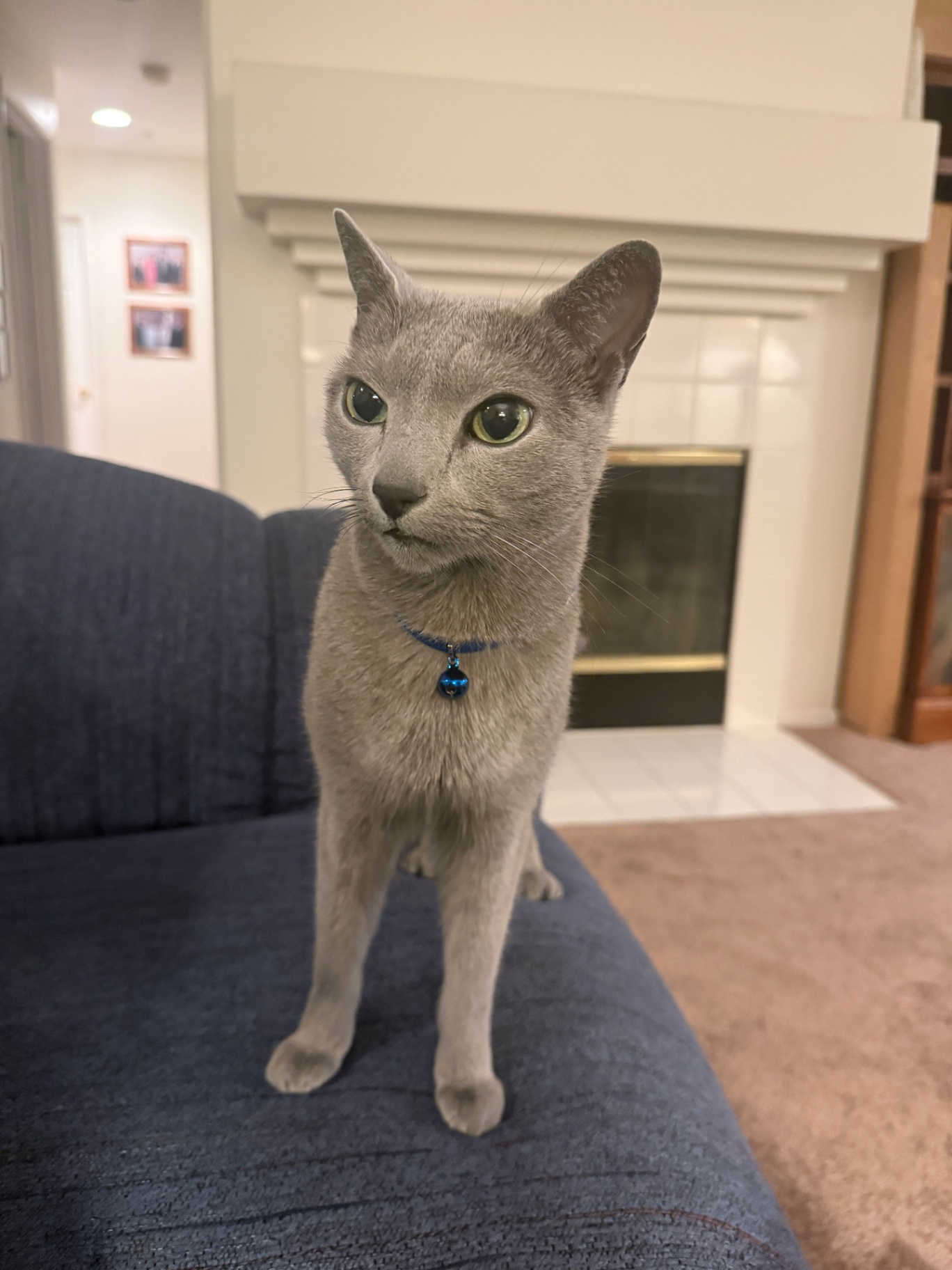
3. Your favorite spot has become shared territory
Cats are creatures of habit. They notice where people sit, sleep, eat, and spend time. Over time, your favorite chair may become an important place in your cat’s mental map of the home.
That does not necessarily mean your cat is trying to “claim” the chair from you. It usually means the chair is valuable because it is:
- Warm
- Comfortable
- Familiar
- Close to you
- Located in a safe part of the room
Cats like predictable spaces. If you always sit in the same place, your cat may decide that it is a reliable place to nap, even when you are not there.
Think of it as co-ownership.
You may pay the mortgage, but your cat has opinions about the seating chart.
4. Your cat wants to be close to you
Some cats steal your seat because they want to be near you, even when you are moving around the house.
Your scent gives them a connection to you. If your cat jumps into your spot as soon as you get up, they may be choosing the closest available reminder of you.
This can be especially common with cats that enjoy companionship but do not constantly sit on laps. A cat may not want to be held, but they may still want to rest where you were.
That is one of the quieter ways cats show affection.
5. Your reaction can become part of the game
Cats learn quickly.
If taking your seat makes you laugh, talk to them, pet them, or gently try to move them, your cat may learn that seat-stealing gets attention.
This does not mean they are being manipulative in a dramatic way. They are simply noticing a pattern:
- I sit in the warm spot.
- My person comes back.
- My person talks to me.
- Something interesting happens.
For some cats, the seat is comfortable. For others, the seat is comfortable and socially rewarding.
Is your cat stealing your seat out of spite?
Almost certainly not.
Cats do not usually take your seat to make you frustrated or get revenge. The idea that cats are being spiteful often comes from interpreting normal animal behavior through a human emotional lens.
Your cat is more likely thinking:
“This place is warm, smells familiar, and feels safe.”
They are not thinking:
“My human left for three minutes. I must now ruin their evening.”
Even cats that stare at you from your chair are usually responding to comfort, routine, or attention, not plotting against you.
Simple cat care tips for seat-stealing
You do not have to fight your cat for the couch. A few small changes can give them a cozy alternative.
Offer a warm spot of their own
Try placing a soft blanket or pet-safe heated pad near your usual seat.
If you use a heated pad, choose one made for pets and follow the safety instructions. It should provide gentle warmth, not intense heat. Your cat should always be able to move away from it, and cords should be safely secured.
Never cover a heated pad in a way that traps too much heat. Check it regularly for wear and avoid using damaged electrical products.
A fleece blanket may be all your cat needs, especially if it is placed in a sunny, draft-free corner.
Put a cat bed next to your spot
Location matters.
A cat bed across the room may not compete with your chair. Try placing one right beside your favorite seat, on a nearby ottoman, or on the same couch.
Your cat may be interested in your spot because it puts them close to you. Give them that same social benefit in their own bed.
You can make the new bed more appealing by adding:
- A soft washable blanket
- A toy your cat already likes
- A small pillow or bolster
- A clean T-shirt that smells like you
Reward your cat with gentle praise or a treat when they choose the new spot.
Honor the warm-seat habit
Sometimes the easiest solution is simply to let your cat have the seat for a few minutes.
If you are getting up to refill your water or grab a snack, your cat may settle in temporarily. You can place a blanket over the chair before leaving if you want to protect the fabric.
When you return, invite your cat to move instead of pulling them suddenly. A treat, toy, or nearby bed can make the transition easier.

Keep comfort items clean and safe
Wash blankets and cat beds regularly, especially if your cat spends hours sleeping on them. Avoid heavily scented detergents, fabric sprays, and essential oils around cats. Some fragrances and essential oils can be irritating or unsafe for pets.
Also check the area for hazards. Keep cords, loose threads, hot surfaces, and unstable furniture away from your cat’s favorite resting place.
Good cat care is often about making the safe choice the easy choice.
When seat-stealing may be a cat health signal
Most seat-stealing is completely normal. But a sudden change in warmth-seeking behavior is worth noticing.
For example, contact your veterinarian if your cat suddenly begins seeking heat constantly and also shows signs such as:
- Lower energy
- Hiding more than usual
- Stiffness or difficulty jumping
- Changes in appetite
- Weight loss
- Unusual vocalizing
- Reluctance to move
- Shivering
- Cold ears or paws
- Weakness or confusion
A warm spot may feel soothing to a cat with sore joints or another source of discomfort. Heat-seeking alone does not prove that your cat is in pain, but a new and intense need for warmth can be part of a bigger change.
Cold body temperature can also be serious. If your cat is very cold, weak, unresponsive, breathing unusually slowly, or has pale or blue-tinged gums, seek urgent veterinary care. You can read more about signs that cats may be cold from Cats Protection and PetMD’s cat health guidance.
When in doubt, pay attention to the whole cat, not just the stolen seat.
A playful cat who naps in your chair, eats normally, and acts like themselves is probably just enjoying a premium cushion. A cat who suddenly seems cold, tired, or uncomfortable needs closer attention.
Real-life examples of seat-stealing
The office chair thief: You work from home, stand up to make coffee, and return to find your cat curled around the keyboard. The likely reasons are warmth, your scent, and the fact that the chair is in the center of your activity.
The couch replacement: You leave the couch during a movie, and your cat takes your exact cushion. They may be enjoying the warmth and the familiar smell of your clothes.
The nighttime blanket expert: Your cat waits until you get out of bed, then settles into the warm space under the blanket. This is usually comfort-seeking, not a sign that your cat wants your bed forever.
The takeaway
Cats steal your seat because it is warm, familiar, comfortable, and connected to you.
It is usually a sign that your cat feels safe in your home, not a sign of spite or a power struggle. Offer a soft bed nearby, add a blanket or pet-safe source of gentle warmth, and let your cat enjoy the occasional warm-seat victory.
And if the behavior suddenly becomes intense or comes with other changes, consider it a small clue to check your cat’s health.
For more everyday cat moments and cute cats, visit Boris on Instagram.
FAQ
Why does my cat sit in my spot as soon as I get up?
Your spot is warm and smells like you. Cats also enjoy familiar places, so your seat may feel safe and comfortable.
Is my cat stealing my seat to show dominance?
Usually, no. Seat-stealing is generally about warmth, comfort, scent, routine, and closeness, not dominance.
How can I stop my cat from taking my chair?
Place a soft cat bed or blanket next to your chair. Add something with your scent and reward your cat for using that spot.
Should I buy a heated cat bed?
A pet-safe heated bed can be helpful, especially for older cats or cold homes. Choose a low-temperature product, follow the instructions, and make sure your cat can move away from the heat.
When should I worry about my cat seeking warm places?
Talk with your veterinarian if warmth-seeking is sudden, constant, or paired with lethargy, stiffness, appetite changes, shivering, cold extremities, weakness, or other unusual behavior.